Add Row
Add Element
Family Explorer Hub
update
Sleek Digitals Agency
update
Add Element
  • Home
  • Categories
    • Travel News
    • Destination Guides
    • Adventure Stories
    • Cultural Insights
    • Budget Travel
    • Family Activities
    • Sustainable Travel
    • Featured
March 24.2025
3 Minutes Read

Explore Indonesia: Uncovering Nature's Secrets Through Sustainable Travel

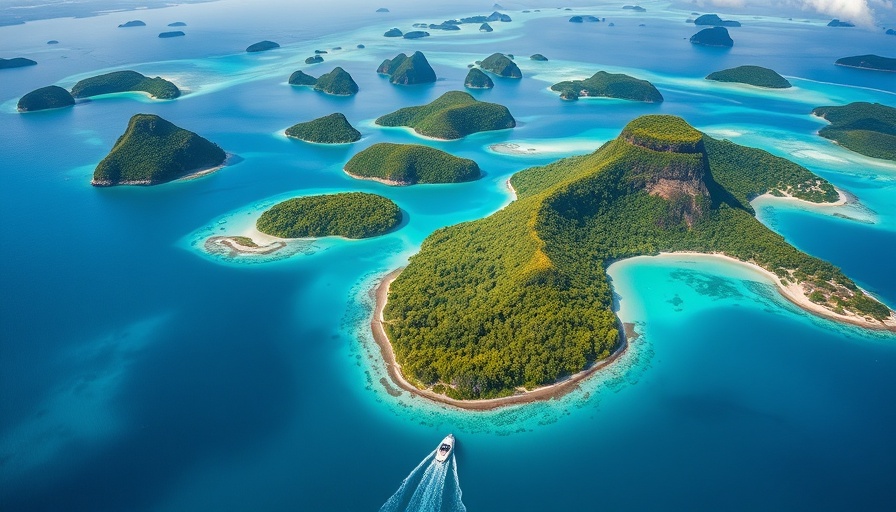
Scenic aerial of islands in Raja Ampat, emphasizing sustainable traveling in Indonesia.

Discovering Indonesia: A Nature Lover's Paradise

Stepping into the vibrant landscapes of Indonesia feels like entering another world. With over 14,000 islands rich in biodiversity, terrains range from volcanic mountains and lush rainforests to pristine beaches, inviting nature enthusiasts to immerse themselves in unparalleled beauty. With this wealth, the difficulty lies in choosing where to go. Below, we explore some of the best nature experiences Indonesia has to offer beyond the well-trodden paths of Bali and Java.

1. Lake Toba: A Cool Retreat into Nature

Lake Toba, located on the island of Sumatra, is a mesmerizing natural wonder that captures the essence of Indonesia's beauty. As the largest volcanic lake in the world, it offers a cool retreat at an altitude of 900 meters, perfect for escaping the heat while enjoying activities such as swimming, sailing, and hiking. This enchanting lake is not only a spot for relaxation but also a critical ecotourism destination, providing habitats for endangered species while showcasing efforts to protect its lush landscapes.

2. Komodo National Park: The Land of Dragons

Home to the famed Komodo Dragon, this national park is a treasure trove of biodiversity. While the lizard stirs awe as the largest reptile on the planet, the eco-rich environment surrounding it is equally fascinating, featuring rugged hills, savannahs, and pristine beaches. Visiting Komodo National Park allows travelers to witness these magnificent creatures in their natural habitat, while also supporting sustainable tourism that conserves the delicate ecosystems.

3. Borneo’s Rainforests: A World of Wonder

Token to exceptional wildlife encounters, the rainforests of Borneo are a hotspot for ecotourism. Home to orangutans, pygmy elephants, and a myriad of unique species, exploring the dense jungles of this island promises captivating experiences. Eco-lodges run by the local communities offer opportunities for sustainable travel, allowing visitors to engage with conservation efforts and intimately understand the beauty and challenges of preserving such vital ecosystems.

4. Mount Rinjani: A Hike to Remember

For adventure seekers, the trek to Mount Rinjani, Indonesia's second-highest volcano, offers an unforgettable journey. Ascending through lush forests provides breathtaking views of Lake Segara Anak nestled within its crater. Hiking Rinjani not only presents heart-pounding views and a sense of achievement but also promotes eco-conservation, as trails are maintained by local communities invested in sustainable tourism.

5. Wakatobi National Park: Underwater Marvels

Diving enthusiasts will find a haven in Wakatobi National Park, home to some of the world's finest coral reefs. The park's focus on reef preservation makes it a leading example of sustainable underwater tourism, where divers can explore its vibrant marine life while contributing to the conservation of its fragile ecosystems. Rich in biodiversity, Wakatobi truly embodies the essence of sustainable travel.

Why Sustainable Travel Matters

Sustainable traveling in Indonesia is not just a trend; it’s an essential movement toward protecting the stunning natural realms that define this beautiful archipelago. By choosing ecotourism destinations, travelers directly contribute to the preservation of local traditions while also experiencing the rich cultural tapestry that Indonesia has to offer.

Planning Your Eco-Friendly Adventure

Before embarking on your journey to Indonesia, it is crucial to ensure your travels align with sustainable practices. Opt for local guides who prioritize eco-friendly methods of tourism, stay in eco-lodges, and engage with community-led projects. This sustainable vacation approach enables visitors to enjoy the breathtaking beauty of Indonesia while ensuring that future generations can experience its wonders.

In conclusion, Indonesia invites you to explore its vast array of ecotourism opportunities, from the enchanting beauty of Lake Toba to the diverse wildlife of Borneo. Make an effort to travel sustainably and contribute to preserving Indonesia's unique natural heritage. Your adventure awaits!

For more tips and insights on sustainable travel options in Indonesia, click here to learn more and start planning your eco-friendly adventure today!

Sustainable Travel

61 Views

0 Comments

Write A Comment

*
*
Related Posts All Posts
11.05.2025

Exploring Sustainable Travel: Can Fun and Politics Coexist for Families?

Update Can We Leave Our Cares Behind While Traveling? When planning a family vacation, the idea of escaping from everyday worries and immersing ourselves in fun activities is often everyone’s desire. But can we genuinely ‘leave our cares behind’ when we go on holiday? This question deserves thoughtful consideration, especially for parents planning trips with their children. Understanding the Juxtaposition of Travel and Politics The allure of getting away to beaches, mountains, or vibrant cities often comes with a hidden layer of complexity. That week of relaxation may come with environmental consequences, social dynamics, and cultural nuances that are easily overlooked during the hustle and bustle of our daily lives. Are we truly capable of ignoring the political and social realities of our chosen destinations, or should we carry those insights into our holiday? The Balance Between Fun and Responsibility Fun doesn’t necessarily have to clash with political awareness. In fact, integrating conscious choices into our travel plans can enhance our family experiences. Choosing eco-friendly accommodations, supporting local businesses, and opting for sustainable travel trends are impactful ways we can contribute to our destinations. For instance, every decision—from what kind of airline to fly with to where we eat—has the potential to uphold or harm local communities, and that’s a lesson worthy of sharing with our kids. Practical Tips for Sustainable Family Travel As our families embark on adventures, let’s equip ourselves with tips that ensure our travels are both enjoyable and responsible: Choose Eco-Friendly Accommodations: Look for hotels or lodgings that prioritize sustainability and support local communities. They often offer unique experiences that allow you to engage with local culture. Eat Local: Dining at local restaurants not only supports small businesses but also enriches your family’s understanding of the local way of life. It can become a delightful adventure eating authentic cuisine. Travel Off-Season: Visiting places during non-peak times can reduce the strain on local resources and provide a more genuine experience. Engage in Insights and Social Projects: Many regions offer family-friendly programs that involve volunteering. This is a perfect opportunity to educate your kids on giving back to the communities that welcome us. Keep Nature in Mind: Understand and respect the environments you visit. Teach your children about local wildlife and ecosystems, fostering a respect for nature. The Impact of Overtourism and How We Can Help With the rise in global travel, one significant issue is overtourism, which can disrupt local communities and ecosystem balance. Parents often desire to shield their children from adult topics, yet it’s crucial that we discuss these matters with them. Traveling with awareness helps foster informed citizens who value the impact they have on the world. What We Can Learn from Our Travels This brings us to a critical question: what do we want our children to take away from our vacations? Should we approach our travels merely as a time to have fun, or can we weave lessons of cultural respect and environmental awareness into our family adventures? The choice is ours. By embracing the nuances of fun and politics while traveling, we can ensure that each trip is not just enjoyable but also meaningful. Concluding Encouragement to Parents As parents, we have the opportunity to set the tone for how our children approach travel in a changing world. Moving forward, let’s choose to take with us the lessons learned and consider how our travels contribute to a more sustainable global landscape. So, embark on your next adventure with the freedom of mind that comes from being a conscientious traveler. After all, the memories made are the treasures we bring back home.

11.04.2025

Cardamom Tented Camp: Your Eco-Friendly Family Adventure Awaits

Update Discovering Cardamom Tented Camp: A Green Oasis Have you ever thought about how your travels impact the world? The Cardamom Tented Camp in Cambodia is not just a beautiful destination; it's a model of responsible tourism. This eco-lodge combines comfort and adventure while helping to preserve nature. Winning accolades from the International Centre for Responsible Tourism (ICRT), it stands as a beacon for eco-conscious travelers. Why Responsible Tourism Matters Traveling doesn't have to ruin the environment; in fact, it can help protect it! Responsible tourism focuses on reducing the negative impacts of travel on nature and local cultures. Cardamom Tented Camp exemplifies this philosophy by contributing to the conservation of the Botum Sakor National Park. Their efforts have dramatically lowered deforestation and poaching in the area since they opened their doors in 2017, proving that tourism can indeed be a force for good. An Eco-Friendly Adventure Awaits Have you ever wanted to experience nature up close without damaging it? Cardamom Tented Camp offers a unique eco-friendly adventure. Guests can engage in trekking, kayaking, or simply enjoying the pristine landscape while knowing their stay contributes to wildlife conservation efforts. Their slogan—"Your Stay Keeps the Forest Standing"—reminds us that every visit helps protect vital habitats for countless animals and plants. The Family-Friendly Side of Eco-Tourism Parents! Travel planning can be stressful, especially when trying to find the right environment for your family. Cardamom Tented Camp caters to families looking for adventure without compromising their values. With activities for all ages, families can bond while learning about sustainability and the importance of protecting our planet. Success Stories in Conservation Cardamom Tented Camp illustrates that when local communities collaborate with tourists, everyone benefits! The camp collaborates with local organizations and conservation groups, funding forest patrols that protect not just the forest but also the communities that depend on it. This partnership underscores the importance of preserving ecological integrity while allowing families to enjoy their adventures responsibly. How You Can Engage in Sustainable Travel Curious about how you can support green global travel? Here are a few quick tips: Choose eco-friendly accommodations like Cardamom Tented Camp. Engage in activities that promote conservation, such as wildlife tours that don’t interfere with natural habitats. Support local businesses and artisans to enhance the local economy. Educate your family about the importance of sustainable practices during your travels! By making small changes, every traveler can contribute to more sustainable travel trends while enjoying unique adventures around the globe! Final Thoughts on Eco-Tourism Traveling with responsibility in mind can turn vacations into conservation efforts. The Cardamom Tented Camp shows us how tourism can positively impact our planet. When you choose to travel sustainably, you're also providing your family with memories that matter—learning about nature, understanding different cultures, and truly connecting with the world around you. So next time you're planning a family trip, consider destinations like Cardamom Tented Camp. Not only will you create lasting memories, but you will also take part in valuing and preserving our planet. Together, we can ensure our world remains beautiful for future generations.

11.01.2025

How the No-Trash Triangle Initiative Can Inspire Parents in Sustainable Travel

Update A Community Steps Up to Protect Our Oceans While the ocean is vast and seemingly endless, it’s not immune to the threats of modern waste, particularly plastic pollution. Approximately 80% of the plastic debris in our seas originates from rivers, highlighting the critical need for grassroots initiatives to intercept this waste before it reaches the ocean. One such initiative is taking shape in Manado, Indonesia, through the No-Trash Triangle Initiative (NTTI), whose innovative strategies illustrate a powerful community-driven response to environmental degradation. Understanding the Challenge of Ocean Plastic The urgency of tackling ocean plastic pollution cannot be overstated. Scientists estimate that between 8 to 20 million tons of plastic enter our oceans every year, primarily via river systems. This statistic becomes alarmingly tangible when experiencing littered waterways firsthand. NTTI was born from the passion of marine biologists and resort managers who sought to protect the vibrant coral reefs of Bangka Island—one of the heartbeats of the Coral Triangle, the most biodiverse marine region on Earth. The Birth of the No-Trash Triangle Initiative Beginning as a small group in 2017, NTTI's foundation hinged on community engagement and education. Their efforts kicked off with beach clean-ups, waste sorting systems, and environmental education for local children. The name of their initiative pays homage to the Coral Triangle, which faces dire threats from plastic pollution yet remains a critical ecosystem for marine life and tourism. Local diving resorts joined forces, providing logistical support and funding, helping NTTI grow from a humble start to a structured program making visible environmental impacts. Turning Rivers into Protectors of the Ocean In 2024, NTTI launched the No-Trash River project in Manado, installing barriers in rivers to catch trash before it reaches the ocean. With 20 barriers now in place, local workers employed through NTTI perform the critical work of removing collected waste—a physical job that captures the essence of community dedication in the face of immense environmental challenges. The commitment of these workers also highlights the initiative's dual purpose: cleaning waterways while providing dignified employment to former landfill workers. Engaging Local Communities in Sustainable Practices The success of the NTTI reflects the importance of localized solutions in fighting global issues. By fostering partnerships with local businesses and effectively utilizing community resources, initiatives like NTTI can create models of success that resonate with sustainable travel trends and green global tourism. Educating the next generation through programs like “School on the Beach” focuses on building responsible ocean stewards, ensuring that local children grow up with a sense of ownership over their environment. The Broader Implications of Local Efforts The fight against plastic pollution is not just about cleaning up beaches; it also encompasses broader social issues, including economic stability and job creation. As these initiatives receive local support, they shield the ecosystems that many communities rely upon, particularly in tourism-driven economies. NTTI not only aims to eliminate plastic from waterways but also seeks to empower local women and create sustainable jobs, showcasing how environmental protection and community resilience go hand-in-hand. What Can You Do? Get Involved! For families interested in sustainable travel, understanding initiatives like the No-Trash Triangle can be enlightening. It emphasizes collective responsibility toward ecosystems and encourages families to seek out travel experiences that contribute positively to the environment. By supporting regions that prioritize sustainability, travelers can be part of a larger movement towards protecting our planet. Learn more about how you can support these initiatives, partake in community clean-ups, or explore sustainable travel options to South East Asia. Final Thoughts on Sustainable Travel The ocean is not merely a backdrop for vacations; it is a vital part of our global ecosystem that requires our respect and protection. The No-Trash Triangle Initiative in Indonesia exemplifies a growing movement aiming to reclaim our natural spaces from the encroaching threat of plastic. As families and individuals, we must carry this spirit of sustainability with us into our travels and daily lives, ensuring we nurture the beauty of our planet for generations to come.

Terms of Service

Privacy Policy

Core Modal Title

Sorry, no results found

You Might Find These Articles Interesting

T
Please Check Your Email
We Will Be Following Up Shortly
*
*
*