Add Row
Add Element
Family Explorer Hub
update
Sleek Digitals Agency
update
Add Element
  • Home
  • Categories
    • Travel News
    • Destination Guides
    • Adventure Stories
    • Cultural Insights
    • Budget Travel
    • Family Activities
    • Sustainable Travel
    • Featured
November 01.2025
3 Minutes Read

How the No-Trash Triangle Initiative Can Inspire Parents in Sustainable Travel

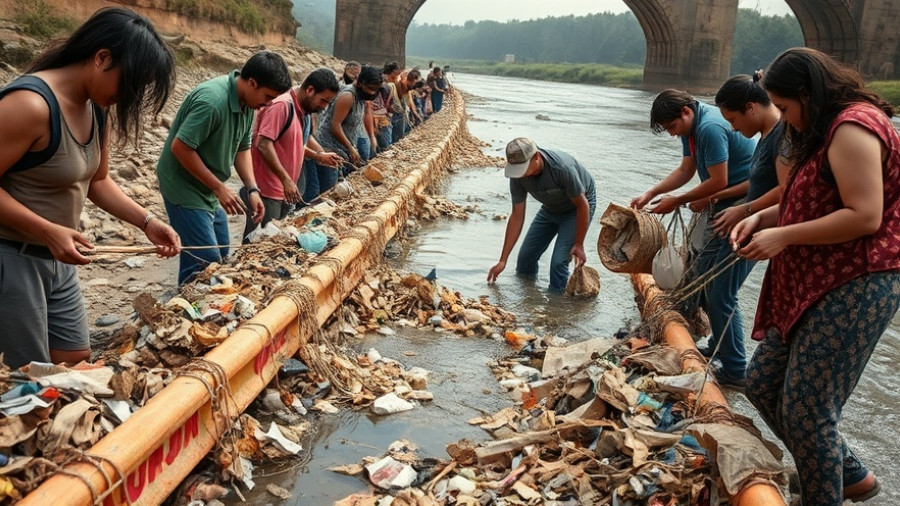
Volunteers cleaning river pollution in green global travel effort.

A Community Steps Up to Protect Our Oceans

While the ocean is vast and seemingly endless, it’s not immune to the threats of modern waste, particularly plastic pollution. Approximately 80% of the plastic debris in our seas originates from rivers, highlighting the critical need for grassroots initiatives to intercept this waste before it reaches the ocean. One such initiative is taking shape in Manado, Indonesia, through the No-Trash Triangle Initiative (NTTI), whose innovative strategies illustrate a powerful community-driven response to environmental degradation.

Understanding the Challenge of Ocean Plastic

The urgency of tackling ocean plastic pollution cannot be overstated. Scientists estimate that between 8 to 20 million tons of plastic enter our oceans every year, primarily via river systems. This statistic becomes alarmingly tangible when experiencing littered waterways firsthand. NTTI was born from the passion of marine biologists and resort managers who sought to protect the vibrant coral reefs of Bangka Island—one of the heartbeats of the Coral Triangle, the most biodiverse marine region on Earth.

The Birth of the No-Trash Triangle Initiative

Beginning as a small group in 2017, NTTI's foundation hinged on community engagement and education. Their efforts kicked off with beach clean-ups, waste sorting systems, and environmental education for local children. The name of their initiative pays homage to the Coral Triangle, which faces dire threats from plastic pollution yet remains a critical ecosystem for marine life and tourism. Local diving resorts joined forces, providing logistical support and funding, helping NTTI grow from a humble start to a structured program making visible environmental impacts.

Turning Rivers into Protectors of the Ocean

In 2024, NTTI launched the No-Trash River project in Manado, installing barriers in rivers to catch trash before it reaches the ocean. With 20 barriers now in place, local workers employed through NTTI perform the critical work of removing collected waste—a physical job that captures the essence of community dedication in the face of immense environmental challenges. The commitment of these workers also highlights the initiative's dual purpose: cleaning waterways while providing dignified employment to former landfill workers.

Engaging Local Communities in Sustainable Practices

The success of the NTTI reflects the importance of localized solutions in fighting global issues. By fostering partnerships with local businesses and effectively utilizing community resources, initiatives like NTTI can create models of success that resonate with sustainable travel trends and green global tourism. Educating the next generation through programs like “School on the Beach” focuses on building responsible ocean stewards, ensuring that local children grow up with a sense of ownership over their environment.

The Broader Implications of Local Efforts

The fight against plastic pollution is not just about cleaning up beaches; it also encompasses broader social issues, including economic stability and job creation. As these initiatives receive local support, they shield the ecosystems that many communities rely upon, particularly in tourism-driven economies. NTTI not only aims to eliminate plastic from waterways but also seeks to empower local women and create sustainable jobs, showcasing how environmental protection and community resilience go hand-in-hand.

What Can You Do? Get Involved!

For families interested in sustainable travel, understanding initiatives like the No-Trash Triangle can be enlightening. It emphasizes collective responsibility toward ecosystems and encourages families to seek out travel experiences that contribute positively to the environment. By supporting regions that prioritize sustainability, travelers can be part of a larger movement towards protecting our planet. Learn more about how you can support these initiatives, partake in community clean-ups, or explore sustainable travel options to South East Asia.

Final Thoughts on Sustainable Travel

The ocean is not merely a backdrop for vacations; it is a vital part of our global ecosystem that requires our respect and protection. The No-Trash Triangle Initiative in Indonesia exemplifies a growing movement aiming to reclaim our natural spaces from the encroaching threat of plastic. As families and individuals, we must carry this spirit of sustainability with us into our travels and daily lives, ensuring we nurture the beauty of our planet for generations to come.

Sustainable Travel

18 Views

0 Comments

Write A Comment

*
*
Related Posts All Posts
12.01.2025

Unpacking Tourism's Future: Opportunities and Threats for Family Travel

Update Exploring Tourism’s Biggest Threats and Opportunities for Families The world of travel is shifting, and families are at the heart of these changes. As we look towards 2030, significant threats and opportunities emerge that will shape our travels. Engaging discussions from around the globe highlight not just challenges, but also the growing trend of sustainable travel, which has the potential to redefine our adventures as parents. Understanding the Tourism Landscape Tourism is not just a leisure activity; it’s part of the fabric of society, influencing economies and cultures worldwide. In recent years, there’s been a heightened focus on sustainable travel. Families are increasingly aware of their environmental impact when traveling and are seeking greener options. According to recent insights, the shift towards green global travel is not just a trend; it’s becoming a necessity for the survival of many destinations. The Threat of Over-Tourism While travel can enrich our lives, it also presents challenges. Over-tourism threatens not only our favorite destinations but also the unique cultures we wish to experience. Parents, as custodians of future generations, must be aware of this issue. We can no longer visit a beautiful location without considering its impact. Many locales are struggling under the weight of too many visitors, leading to environmental degradation and loss of local character. Opportunities for Sustainable Travel Despite these challenges, the future is bright for families looking to travel responsibly. Opportunities in sustainable travel trends are emerging globally. Initiatives are being rolled out to support conservation, local economies, and responsible tourism. This isn’t just about avoiding plastic straws; it’s about embracing a holistic approach to travel that encompasses everything from choosing eco-friendly accommodation to supporting local artisans on our adventures. Real-Life Examples of Positive Change Let's explore inspiring examples of destinations committing to sustainable practices. For instance, in Iran, tourism focused on cultural and religious experiences is growing, blending spiritual journeys with local heritage. Not only does this promote cultural respect, but it also allows families to engage deeply with local communities. How Families Can Make a Difference As parents, we can lead by example. Here are a few practical insights to create impactful travel experiences: Choose Eco-Friendly Accommodations: Look for hotels that implement green practices, such as energy efficiency and waste reduction. Support Local Economies: Purchase handmade crafts and food from local vendors instead of mainstream tourist traps. Minimize Carbon Footprint: Consider traveling closer to home or choosing alternative transport like trains instead of planes when possible. By adopting these practices, we not only contribute to a better world for our children but also enrich our family travels with unique, authentic experiences. Future Predictions for Family Travel As 2030 approaches, the intersection of technology and sustainability will likely create new platforms for families to engage with the world. From virtual reality tours to community-based travel applications, families will have more choices than ever to explore destinations without causing harm. This evolution promises a travel landscape that honors both adventure and education. Conclusion: Let’s Embrace Change Together As we navigate the complexities of travel today, it's essential for families to recognize our role in shaping the future of tourism. The call to action is clear: embrace sustainable travel practices. Through informed choices, we can protect our world while enjoying the adventure it has to offer. Are you ready to make a difference on your next family vacation? Start planning your eco-friendly family trip today!

11.30.2025

Discovering the Magic of Folklore Tourism: A Family Adventure Awaits

Update Exploring Folklore Tourism: A Journey for Families Imagine visiting a place where stories breathe life into the landscapes around you. Folklore tourism invites families to explore enchanting environments while connecting with rich narratives passed down through generations. As we delve into the realms of myth and reality, we uncover how these tales can enrich our travel experiences. The Allure of Folklore: More Than Just Stories Folk tales, entwined with the landscapes they inhabit, offer an entertaining yet educational way for families to engage with diverse cultures. Just as children are captivated by fairy tales and fables, folklore provides a bridge to understanding cultural values and traditions. On the Isle of Skye in Scotland, for example, local stories of dragons and fairies connect visitors to the stunning natural environment, weaving narratives with the real-life beauty around them. Why Folklore Matters When we think of travel, the thrill of exploration often rises to the forefront, but folklore tourism enhances this experience by adding layers of meaning. These stories influence how families perceive and interact with landscapes. For instance, a visit to a site tied to the tale of the Loch Ness Monster goes beyond mere sightseeing; it prompts questions, sparks imagination, and creates memories tied to local culture. Children learn that every mountain and stream has a story to tell, fostering a deep appreciation for nature. Navigating the Tensions: Cultural Respect and Awareness As folklore tourism grows, it's essential to approach it with mindful respect. While these stories enrich our travels, they can also face challenges such as cultural appropriation and commercialization. It's crucial for families to understand the importance of authentic narratives and the role they play in preserving cultural heritages. Engaging with local communities, sharing stories, and advocating for sustainable practices ensures that these cherished tales remain vibrant for generations to come. Creating Magical Experiences: Tips for Family Travelers Planning a folklore-inspired trip can be a fun and enriching challenge. Here are some tips on how to weave these stories into your family's travels: Research Local Folklore: Before your trip, explore the myths and legends of your destination. This helps set the stage for deeper conversations during your visit. Engage With Local Guides: Many areas offer guided tours that share the folklore behind the landscapes. These guides can provide valuable insights that enhance your experience. Encourage Storytelling: During your travels, encourage your children to share their interpretations of folklore tales. This fosters creativity and strengthens family bonds. With these strategies, folklore tourism turns into an engaging adventure, leading to lasting memories shaped by the stories we share and explore. A Transformative Experience: Understanding the 'More-than-Human' Connection One remarkable aspect of folklore is its ability to form a 'more-than-human' connection. Through tales of mythical creatures and natural spirits, families can learn to value and respect the interconnectedness of life. This animistic worldview encourages young travelers to see beyond the human experience and recognize their relationships with nature. By instilling this perspective, we nurture a generation that values sustainability and conservation. Conclusion: Why Engage in Folklore Tourism? Folklore tourism invites families to embark on journeys filled with imagination and education. By immersing ourselves in the rich traditions of a place, we cultivate understanding and respect for different cultures. As we face a rapidly changing world, these stories serve as vital connections to our past and our shared humanity. So, as you plan your next adventure, remember to cherish the tales that can illuminate your travels. Dive into folklore tourism, and let it open new paths for discovery! For families looking to explore further into sustainable travel trends and becoming conscientious explorers, consider how folklore tourism ties into greener global travel. Supporting local communities through mindful tourism practices can greatly enhance your impact as travelers and enrich your family's experiences together.

11.05.2025

Exploring Sustainable Travel: Can Fun and Politics Coexist for Families?

Update Can We Leave Our Cares Behind While Traveling? When planning a family vacation, the idea of escaping from everyday worries and immersing ourselves in fun activities is often everyone’s desire. But can we genuinely ‘leave our cares behind’ when we go on holiday? This question deserves thoughtful consideration, especially for parents planning trips with their children. Understanding the Juxtaposition of Travel and Politics The allure of getting away to beaches, mountains, or vibrant cities often comes with a hidden layer of complexity. That week of relaxation may come with environmental consequences, social dynamics, and cultural nuances that are easily overlooked during the hustle and bustle of our daily lives. Are we truly capable of ignoring the political and social realities of our chosen destinations, or should we carry those insights into our holiday? The Balance Between Fun and Responsibility Fun doesn’t necessarily have to clash with political awareness. In fact, integrating conscious choices into our travel plans can enhance our family experiences. Choosing eco-friendly accommodations, supporting local businesses, and opting for sustainable travel trends are impactful ways we can contribute to our destinations. For instance, every decision—from what kind of airline to fly with to where we eat—has the potential to uphold or harm local communities, and that’s a lesson worthy of sharing with our kids. Practical Tips for Sustainable Family Travel As our families embark on adventures, let’s equip ourselves with tips that ensure our travels are both enjoyable and responsible: Choose Eco-Friendly Accommodations: Look for hotels or lodgings that prioritize sustainability and support local communities. They often offer unique experiences that allow you to engage with local culture. Eat Local: Dining at local restaurants not only supports small businesses but also enriches your family’s understanding of the local way of life. It can become a delightful adventure eating authentic cuisine. Travel Off-Season: Visiting places during non-peak times can reduce the strain on local resources and provide a more genuine experience. Engage in Insights and Social Projects: Many regions offer family-friendly programs that involve volunteering. This is a perfect opportunity to educate your kids on giving back to the communities that welcome us. Keep Nature in Mind: Understand and respect the environments you visit. Teach your children about local wildlife and ecosystems, fostering a respect for nature. The Impact of Overtourism and How We Can Help With the rise in global travel, one significant issue is overtourism, which can disrupt local communities and ecosystem balance. Parents often desire to shield their children from adult topics, yet it’s crucial that we discuss these matters with them. Traveling with awareness helps foster informed citizens who value the impact they have on the world. What We Can Learn from Our Travels This brings us to a critical question: what do we want our children to take away from our vacations? Should we approach our travels merely as a time to have fun, or can we weave lessons of cultural respect and environmental awareness into our family adventures? The choice is ours. By embracing the nuances of fun and politics while traveling, we can ensure that each trip is not just enjoyable but also meaningful. Concluding Encouragement to Parents As parents, we have the opportunity to set the tone for how our children approach travel in a changing world. Moving forward, let’s choose to take with us the lessons learned and consider how our travels contribute to a more sustainable global landscape. So, embark on your next adventure with the freedom of mind that comes from being a conscientious traveler. After all, the memories made are the treasures we bring back home.

Terms of Service

Privacy Policy

Core Modal Title

Sorry, no results found

You Might Find These Articles Interesting

T
Please Check Your Email
We Will Be Following Up Shortly
*
*
*