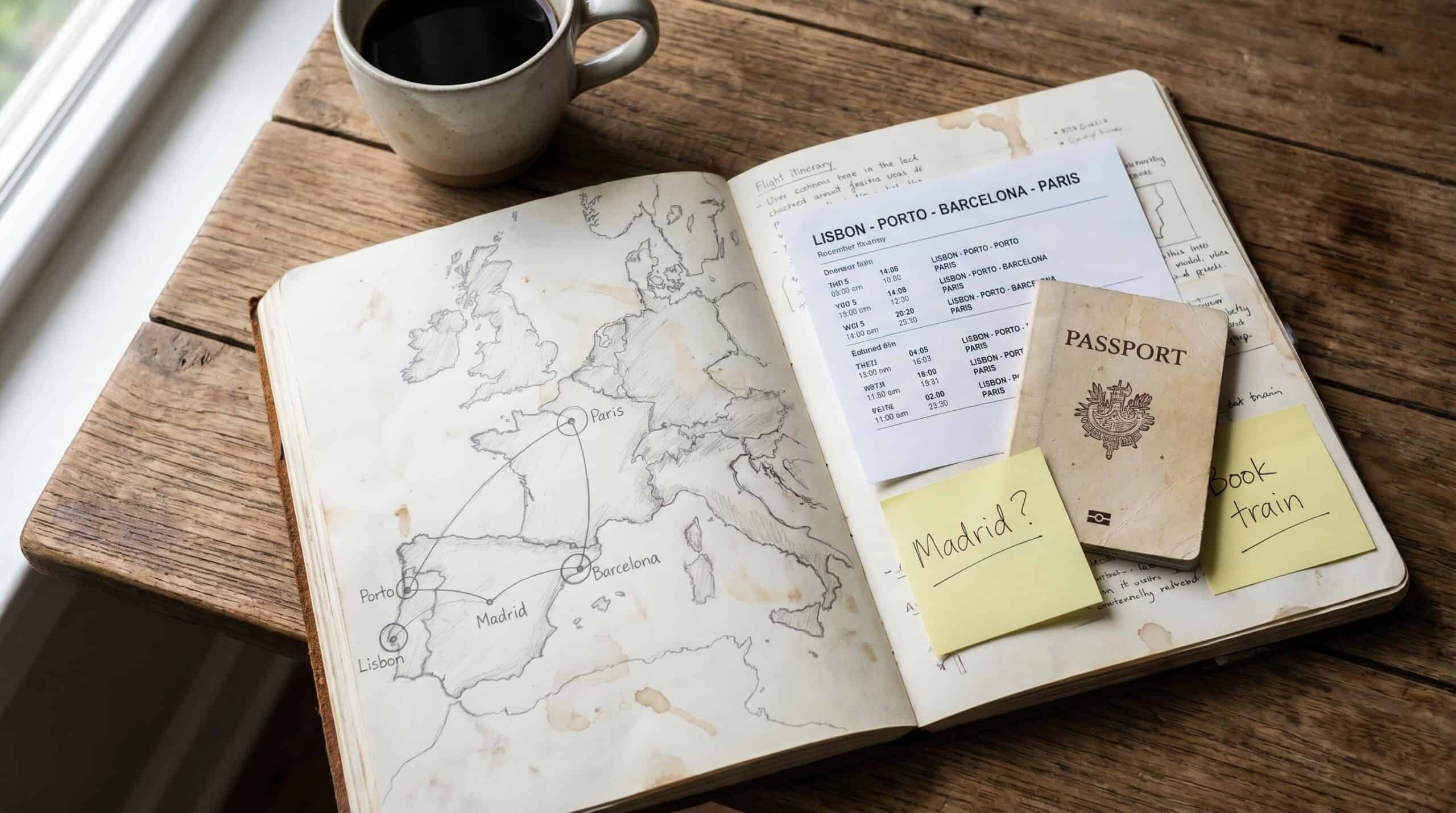

There’s something about lacing up your boots and heading into the hills that resets you in a way no beach ever quite manages. And if you’re looking for the world’s most extraordinary places to do it, Asia has more answers than you’d expect. The best hiking trails in Asia span everything from gentle forested loops you can knock out before lunch to week-long high-altitude challenges that will genuinely test your limits. Whether you’ve never hiked before or you’re chasing your fifth Himalayan summit, this continent has a trail with your name on it.
Asia is enormous, and that’s exactly the point. You’ve got the towering peaks of Nepal and the Himalayas, yes — but also volcanic craters in Indonesia, ancient pilgrimage paths in Japan, cloud forests in Taiwan, and jungle ridgelines in Malaysia. The range is staggering.
This guide is built to help you find the right trail for where you are right now, with honest advice on difficulty, logistics, and what to expect on the ground.
Why Asia Is a Hiker’s Dream Destination
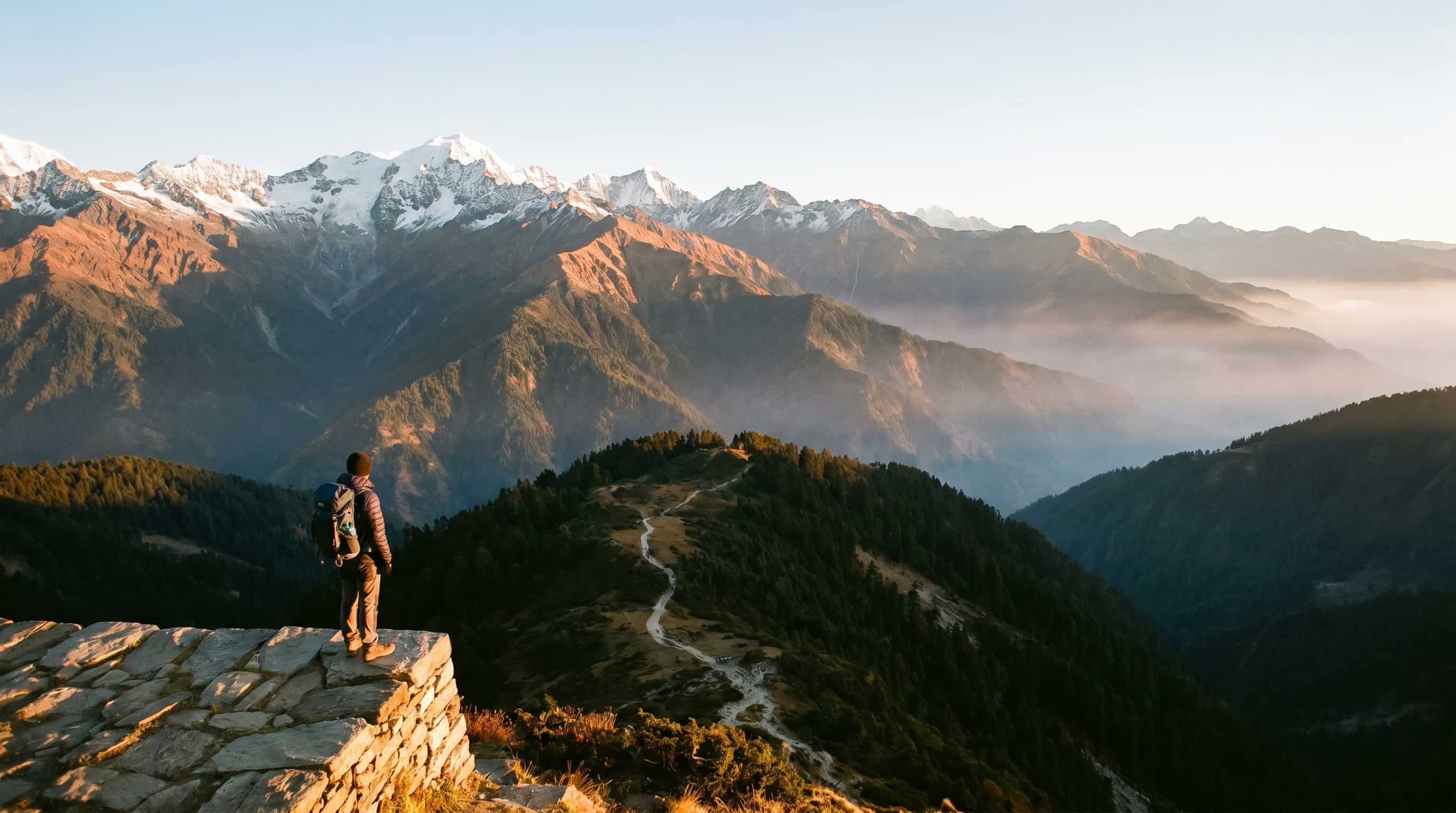
Ask any experienced trekker where they’d go if they could only pick one continent, and a huge number of them will say Asia. It’s not just the mountains, though the mountains are spectacular. It’s the combination of dramatic landscapes, relatively affordable logistics, incredible cultural depth, and — in many places — excellent trail infrastructure that’s been developed to support trekking tourism over decades.
The sheer variety on offer
You can walk to a monastery in Bhutan, scramble up a granite peak in Malaysia, follow ancient pilgrimage routes through Japanese cedar forests, or look down on rice terraces in the Philippines. Few continents pack this much trekking diversity into one place.
There’s also something to be said for the cultural immersion that Asian treks often offer. Along the Annapurna Circuit, you pass through villages where people have lived the same way for generations. On the Adam’s Peak trail in Sri Lanka, you join thousands of pilgrims making a pre-dawn ascent that’s been happening for over a thousand years. These aren’t just hikes — they’re experiences.
And practically speaking, trekking Asia is very achievable for travellers on a reasonable budget. Guided treks in Nepal, for instance, are genuinely affordable compared to equivalent experiences in Patagonia or the Alps. If you’re planning your first big international adventure, take a look at our Europe travel guide for first-timers — the planning principles transfer well whether you’re heading to the mountains or the Med.
When to go: seasons and weather across the continent
Timing matters enormously, and it varies significantly depending on where you’re heading.
- Nepal and the Himalayas: October–November and March–May are the classic windows. Winter brings heavy snow to high passes; monsoon (June–September) makes trails muddy and views rare.
- Southeast Asia: November–February is typically coolest and driest, making it ideal for hiking in Thailand, Vietnam, and Malaysia.
- Japan: Spring (March–May) for cherry blossom trails; autumn (September–November) for stunning foliage on mountain paths.
- Sri Lanka: December–March for the hill country; the south-west monsoon can make trails slippery from May onwards.
- India (Ladakh): June–September is the only viable window before passes close with snow.
Best Easy Hiking Trails in Asia for Beginners
Not every great hike needs to leave you gasping. Some of the most rewarding walks in Asia are genuinely accessible — no special gear, no altitude medication, no guide required. These are perfect if you’re a first-time hiker or just want to explore the outdoors without making it an expedition.
Doi Inthanon, Thailand
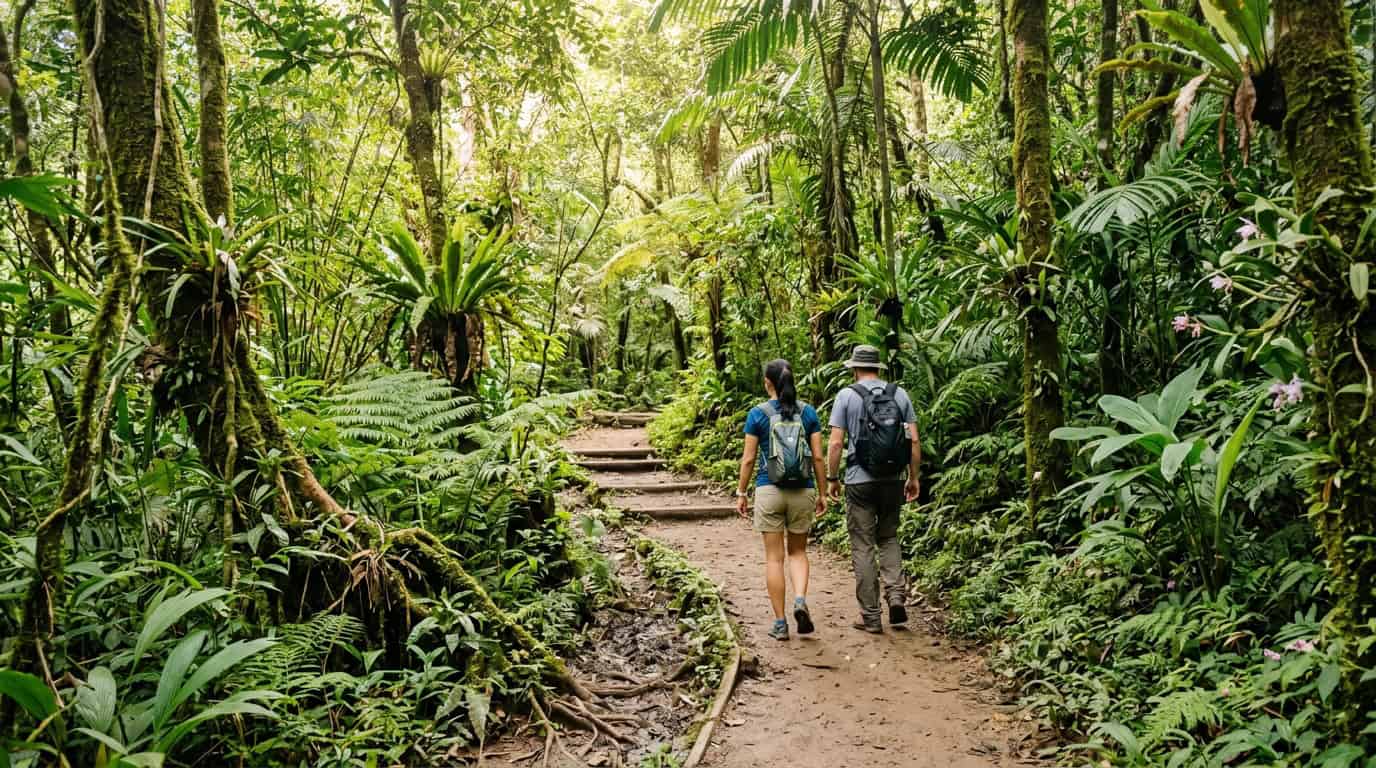
At 2,565 metres, Doi Inthanon is Thailand’s highest peak — but here’s the thing: you can drive most of the way up. The walking trails around the summit are well-maintained, forested, and genuinely beautiful. The Ang Ka Nature Trail is a short, flat loop through cloud forest draped in moss and orchids. It takes around 45 minutes and feels like stepping into another world.
The mountain is part of a national park and sits about 90 kilometres south of Chiang Mai. Entry fees apply and are very reasonable.
- Best for: Day trippers, families, nature lovers
- Difficulty: Easy
- Starting point: Chiang Mai (day trip possible)
Bukit Timah Nature Reserve, Singapore
Yes, Singapore. The city-state has a genuine rainforest in the middle of it, and the trails through Bukit Timah Nature Reserve are excellent. The main summit trail to the 163-metre peak takes around 45 minutes at a relaxed pace. You’ll share the path with long-tailed macaques, and if you’re lucky, a Malayan flying lemur gliding between trees overhead.
It’s not dramatic altitude — but for urban hikers, it’s a proper forest experience. And you can be back in an air-conditioned hawker centre an hour later.
- Best for: Urban explorers, beginners, short on time
- Difficulty: Easy to moderate
- Starting point: Hindhede Drive bus stop or the visitor centre
Yangmingshan National Park, Taiwan
Just 30 minutes by bus from central Taipei, Yangmingshan offers excellent beginner-friendly hiking trails in Asia’s most underrated hiking destination. Qixingshan (Seven Star Mountain) is the most popular peak — a 2–3 hour return hike with excellent views over Taipei on a clear day and active volcanic vents along the trail.
The park is beautiful year-round but especially magical from February to March when calla lilies bloom across the hillsides.
- Best for: City-based hikers, solo travellers
- Difficulty: Easy to moderate
- Starting point: Taipei (direct buses available)
Intermediate Trails Worth the Effort
These hikes require a bit more preparation — reasonable fitness, the right footwear, and perhaps an early start — but they’re absolutely within reach for most travellers.
Adam’s Peak, Sri Lanka
One of the most spiritually charged hikes in Asia, Adam’s Peak (Sri Pada) is a 7.2-kilometre ascent of around 5,500 steps to a 2,243-metre summit. It sounds brutal on paper, and the steep final section is genuinely demanding. But thousands of pilgrims — including elderly devotees in sandals — make this climb every year.
The classic approach is a pre-dawn start from Nallathanniya to catch the sunrise from the summit. In season (December–May), the trail is lit with lights and lined with tea stalls. Out of season, it’s closed. The sacred footprint at the summit is revered by Buddhists, Hindus, Muslims, and Christians alike, which says something rather beautiful about the place.
- Best for: Spiritual travellers, moderately fit hikers
- Difficulty: Moderate (steep but manageable)
- Starting point: Nallathanniya village
Tiger’s Nest Hike, Bhutan
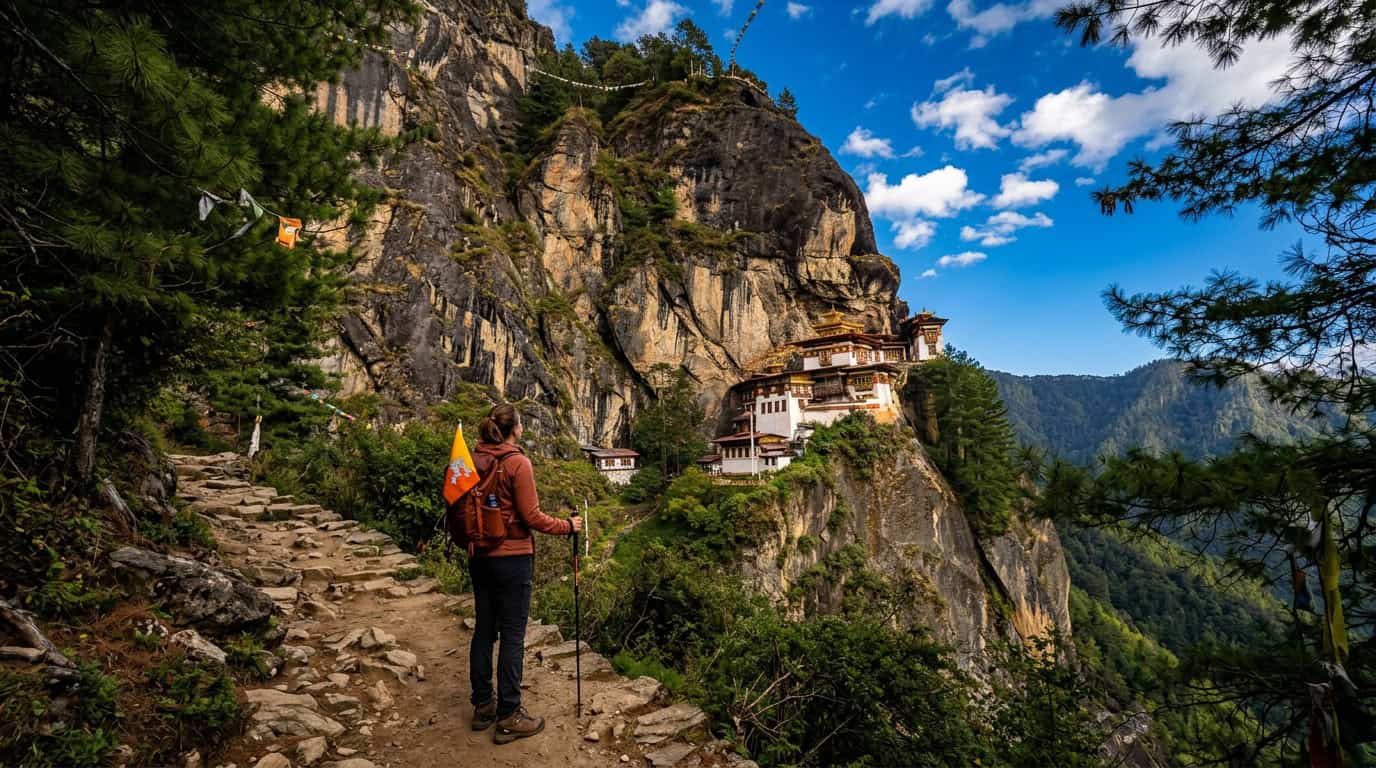
The image of Paro Taktsang — the Tiger’s Nest monastery — clinging to a sheer cliff face at 3,120 metres is one of those photographs that makes you book a flight immediately. The hike to reach it is around 5.5 kilometres one way, with an elevation gain of approximately 900 metres.
It takes most people two to three hours to ascend. The trail passes through pine and oak forest, with mountain views opening up as you climb. About two-thirds of the way up, there’s a teahouse with extraordinary views of the monastery before you make the final push.
Bhutan requires tourists to book through a licensed operator and pay a daily tariff — so this is not the cheapest hike on the list, but it may well be the most memorable.
- Best for: Cultural travellers, bucket-listers
- Difficulty: Moderate
- Starting point: Paro valley (30 minutes from Paro Airport)
Rinjani Foothills, Indonesia
Mount Rinjani in Lombok is one of Indonesia’s most spectacular volcanoes and can be climbed to the crater rim (2,639 m) as a two-to-three day trek — but even the lower foothills offer outstanding day hiking through a landscape of jungle, waterfalls, and sweeping views toward the crater lake below.
The Sendang Gile and Tiu Kelep waterfall trail near Senaru is an excellent standalone day hike — beautiful, manageable, and deeply rewarding without requiring overnight camping.
- Best for: Outdoor adventurers wanting drama without the full multi-day commitment
- Difficulty: Moderate
- Starting point: Senaru village
The Best Multi-Day Treks in Asia for Serious Hikers
Nepal is, quite simply, the global capital of high-altitude trekking. If you’re ready to commit to a multi-day adventure, this is where you go.
Everest Base Camp, Nepal
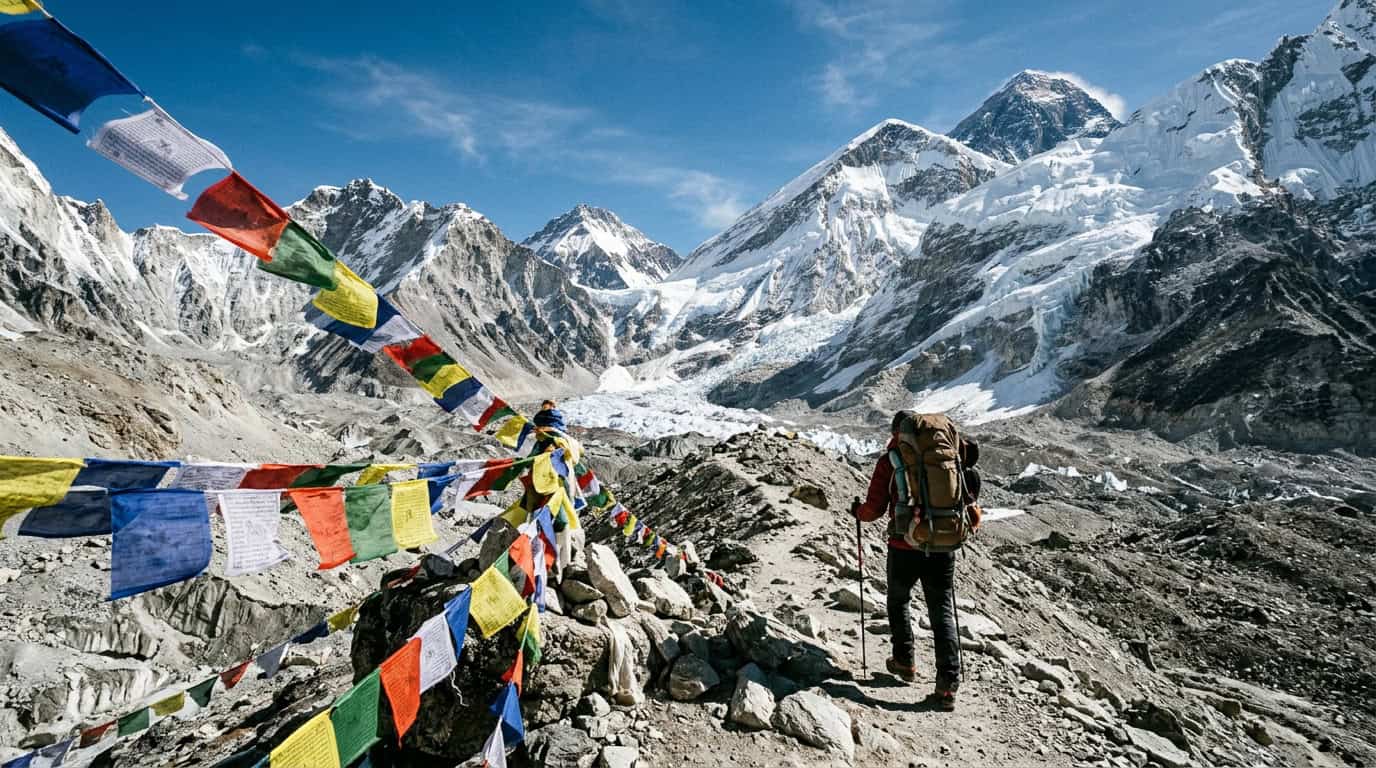
The most famous trek in Asia — possibly in the world. The classic EBC route from Lukla takes around 12–14 days return, with a total elevation gain of roughly 4,000 metres, reaching 5,364 metres at base camp.
A few things worth knowing: the altitude is a serious consideration, and acclimatisation days are not optional — they’re built into the itinerary for a reason. Acute Mountain Sickness (AMS) is real and can affect even very fit trekkers. Go slowly, drink water, don’t push through symptoms.
The route itself passes through the Khumbu region, home to Sherpa villages, ancient monasteries, and views of Ama Dablam that will stop you in your tracks. The landscape gets more dramatic with every day. By the time you’re crossing the Khumbu Glacier and looking up at Everest’s south face, you’ll understand exactly why people do this.
- Best for: Experienced hikers, bucket-listers, endurance travellers
- Difficulty: Strenuous
- Starting point: Lukla (fly from Kathmandu)
Annapurna Circuit, Nepal
If EBC is the most famous multi-day trek in Asia, the Annapurna Circuit might be the most beloved. The classic circuit takes 15–20 days and loops around the Annapurna massif, crossing the Thorong La Pass at 5,416 metres — the highest point on the route.
What makes it special is the diversity. You walk through subtropical forest, across high-altitude desert, past glacial rivers, and through Hindu and Buddhist villages. The scenery changes dramatically every few days. Teahouses along the route are well-established, making this one of the more self-guided friendly multi-day treks in Asia — though a guide adds enormous value.
- Permits required: ACAP (Annapurna Conservation Area Permit) + TIMS card
- Best for: Trekkers wanting variety and cultural immersion
- Difficulty: Strenuous
Langtang Valley, Nepal
Less visited than EBC or Annapurna, Langtang is a genuinely wonderful alternative — especially if you have limited time. The main valley trek takes 7–10 days and reaches Tserko Ri at 5,033 metres, offering views across the Langtang Lirung glacier.
Because it’s closer to Kathmandu and attracts fewer trekkers, it’s a slightly quieter, more intimate experience. The Tamang heritage villages along the route are fascinating, and the rhododendron forests in spring are extraordinary.
Best Hiking Trails in Asia Beyond Nepal
Nepal dominates trekking conversations, but the continent’s best hiking trails stretch far beyond the Himalayas.
The Markha Valley Trek, India (Ladakh)
Ladakh is otherworldly. Perched in the Indian trans-Himalaya at altitudes between 3,500 and 5,200 metres, the landscape looks more like the surface of Mars than anywhere else on Earth. The Markha Valley trek (6–8 days) is one of the best ways to explore it — passing through remote villages, Buddhist gompas, and some of the most dramatic mountain scenery you’ll see anywhere.
The window is narrow (July–September), transport to reach the region takes effort, and the altitude demands respect. But if you’re looking for a remote, high-altitude adventure that most people haven’t done, Markha Valley belongs on your shortlist. Before you go, make sure your kit is dialled in — our complete travel packing list covers the essentials for trips exactly like this.
Mount Kinabalu, Malaysia
Southeast Asia’s highest peak at 4,095 metres, Mount Kinabalu in Malaysian Borneo is a fantastic high-altitude challenge that doesn’t require the multi-week commitment of a Himalayan trek. Most hikers summit via the Summit Trail — a two-day itinerary with an overnight stay at Laban Rata hut — making it genuinely achievable for fit travellers with no high-altitude experience.
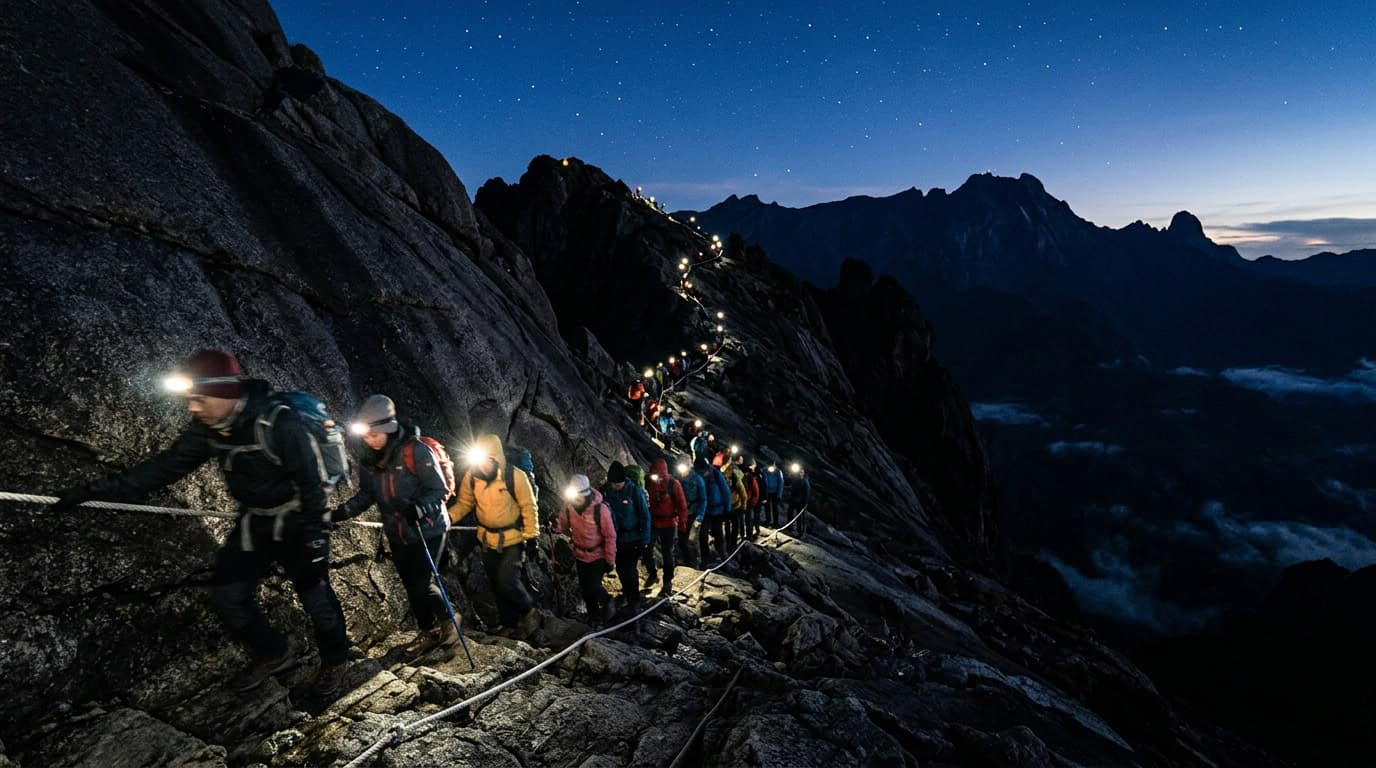
The climb itself is steep and relentless on Day 1. Day 2 involves a very early start (2 AM is typical) to hit the summit by dawn and be down before afternoon thunderstorms roll in. The view from Low’s Peak at sunrise — watching the shadow of the mountain stretch over the clouds — is something that stays with you.
- Permits and guides: Mandatory, booked through Sabah Parks. Book months ahead; spots sell out.
- Best for: Adventure travellers wanting high altitude without multi-week commitment
- Difficulty: Strenuous (but achievable)
Emei Shan, China
One of China’s Four Sacred Buddhist Mountains, Emei Shan in Sichuan province is a pilgrimage route unlike anything in the Western hiking tradition. The mountain rises to 3,099 metres, and the trails wind past dozens of ancient temples, waterfalls, and forests full of cheeky — occasionally aggressive — Tibetan macaques.
Most visitors combine walking with cable cars, but a full ascent on foot takes two days. The atmosphere is unique: you’re hiking alongside monks, Chinese tourists, and pilgrims carrying incense to the Golden Summit. The top, when clouds permit, offers views across the entire Sichuan plain.
- Best for: Cultural hikers, those interested in Buddhist pilgrimage routes
- Difficulty: Moderate to strenuous depending on route chosen
What to Pack for Hiking in Asia
Packing for hiking in Asia depends enormously on where you’re going — a day hike in Singapore needs almost nothing; EBC requires serious kit. But there are some consistent principles that serve you well across the continent.
Clothing and footwear
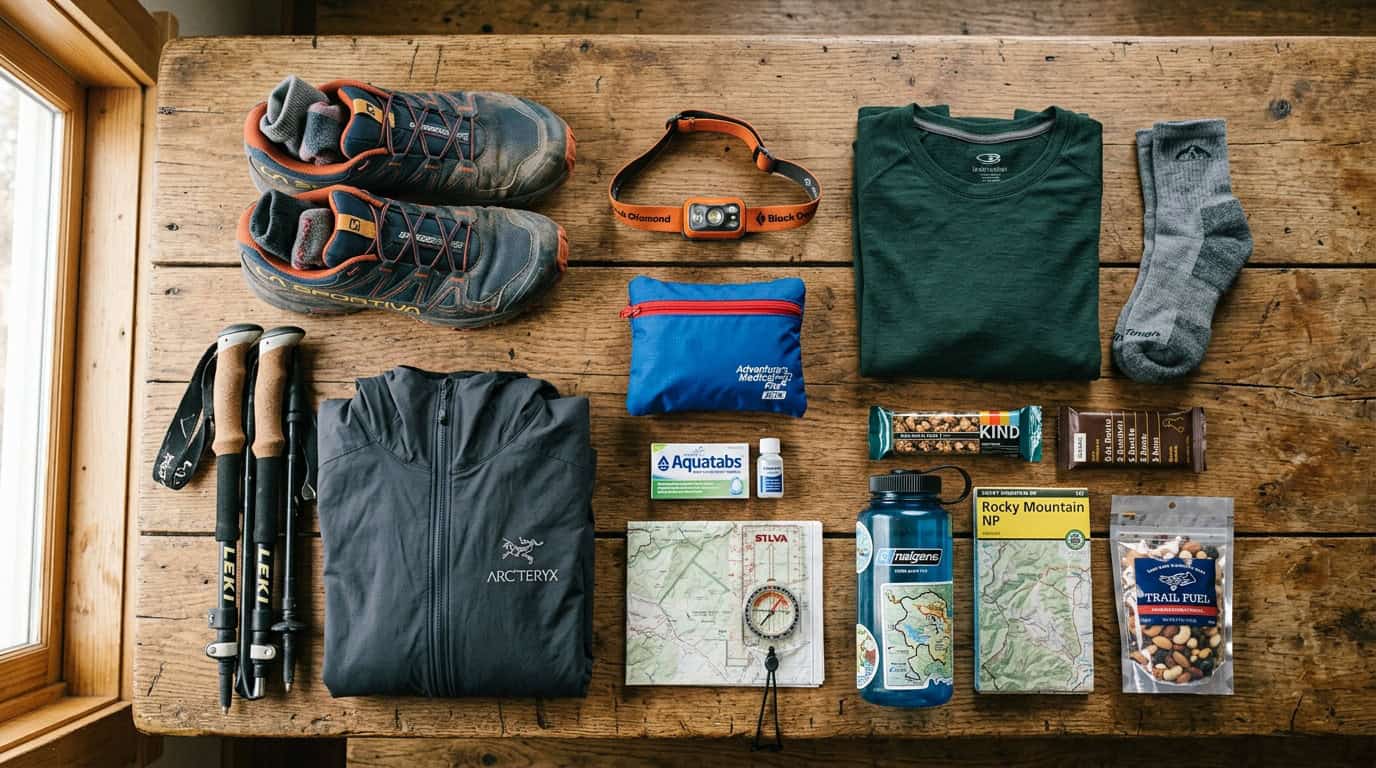
- Trail runners or hiking boots: For easy and intermediate hikes, quality trail runners are often more comfortable than heavy boots. For rocky high-altitude terrain (Nepal, Kinabalu, Ladakh), ankle support matters.
- Moisture-wicking layers: Avoid cotton. It holds sweat and cools you down dangerously in cold conditions. Merino wool or synthetic base layers are far better.
- A packable rain jacket: Essential almost everywhere. Asian weather changes fast, especially at altitude and in monsoon-adjacent seasons.
- Sun protection: Hat, sunscreen SPF50+, UV-protective clothing. The UV intensity at altitude is significant.
Gear essentials
- Trekking poles: Genuinely transformative on steep descents, and especially useful on multi-day treks. Rent them in Kathmandu or Pokhara rather than bringing them from home.
- Headlamp with spare batteries: For pre-dawn starts (Adam’s Peak, Kinabalu) and teahouse power cuts.
- Water purification: A SteriPen or purification tablets for remote trails. Hydration packs work well for day hikes.
- First aid basics: Blister plasters (bring more than you think you need), altitude medication if going above 3,000m, rehydration sachets.
- Snacks: Trail mix, energy bars, dried fruit. Teahouses on major routes stock food, but prices rise with altitude.
FAQ — Best Hiking Trails in Asia
What is the best hiking trail in Asia for beginners?
Yangmingshan National Park in Taiwan and Bukit Timah Nature Reserve in Singapore are both excellent starting points. They’re accessible, well-maintained, and don’t require any specialist equipment. If you want something slightly more dramatic, Doi Inthanon in Thailand is a great step up.
Do I need a guide for hiking in Asia?
It depends on the trail. In Bhutan, a licensed guide is legally required for all visitors. In Nepal, guides are not mandatory on major routes but are strongly recommended — they add cultural context, improve safety, and support local economies. For day hikes in national parks (Singapore, Taiwan, Thailand), guides are completely optional.
What is the hardest hiking trail in Asia?
By most metrics, the harder Himalayan routes — including the three-pass trek in Nepal (crossing Kongma La, Cho La, and Renjo La) — are among the most demanding. But difficulty is relative to the individual. Mount Kinabalu can be brutal for someone who’s never trained at altitude; EBC feels manageable for someone who’s fit and acclimatised properly.
How fit do I need to be for the Everest Base Camp trek?
You don’t need to be an elite athlete, but you do need a solid base of cardiovascular fitness. Ideally, spend 3–4 months before the trek building up with regular cardio exercise (running, stair climbing, hiking). The bigger limiting factor is altitude, not pure fitness — so acclimatisation is more important than peak fitness.
What permits do I need for hiking in Asia?
This varies by country and trail. Nepal requires TIMS cards and conservation area permits for most routes. Bhutan requires tourist visas arranged through a licensed operator. India’s Ladakh region requires Inner Line Permits for certain areas. Malaysia’s Mount Kinabalu requires permits booked through Sabah Parks. Always check current requirements before travelling — regulations change.
Is it safe to hike alone in Asia?
On popular trails with good infrastructure (Annapurna, Yangmingshan, Doi Inthanon), solo hiking is generally safe. On remote trails in less-visited areas, having a guide or trekking partner is strongly advisable. Solo female travellers have completed many of these treks without issue, but research your specific route and travel with awareness.
What’s the best time of year to hike the Annapurna Circuit?
October and November are the most popular months — clear skies, settled weather, and excellent visibility. March to May is a close second, with blooming rhododendrons making the lower trails spectacular. Avoid the June–September monsoon period, when the Thorong La Pass can be dangerous and trails are very muddy.
Whether you’re after a gentle Sunday walk through Taiwanese national park scenery or a full assault on a Himalayan summit, the best hiking trails in Asia have something waiting for you. The continent’s greatest trick is that it offers all of this in one place — different countries, different altitudes, different cultures — all connected by the simple pleasure of putting one foot in front of the other.
Start where you are. Build up gradually. And somewhere along the way, you’ll find yourself standing on a ridge at dawn with views you genuinely couldn’t have imagined from a laptop screen.