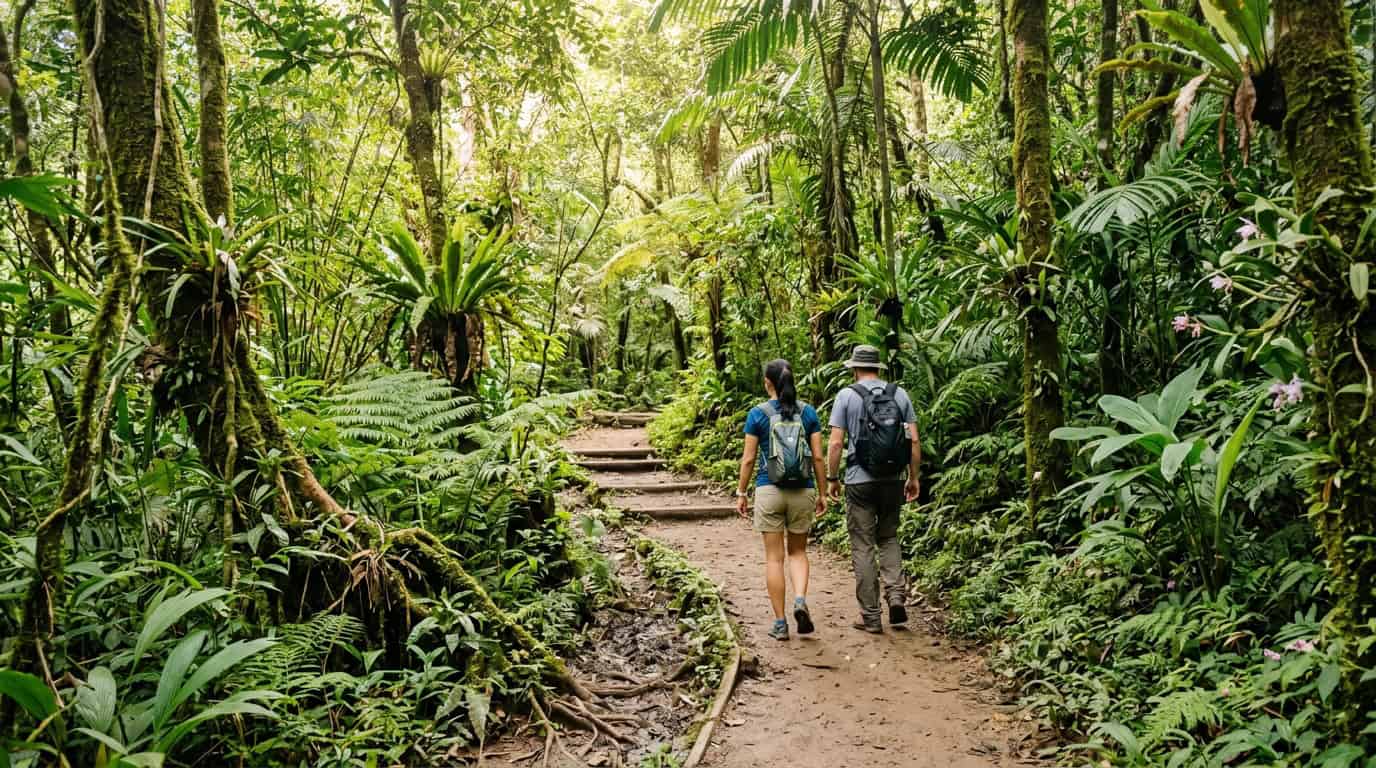

Picking a base as a remote worker has never felt more overwhelming — or more exciting. The list of cities competing for the title of best digital nomad cities for 2026 has grown dramatically, and the gap between a good destination and a great one comes down to details that travel blogs don’t always cover: how reliable is the electricity during monsoon season? Is the nomad scene welcoming or cliquey? Can you actually afford to live there comfortably on a mid-range freelance income?
This guide cuts through the noise. We’ve looked at real WiFi speeds, coworking infrastructure, visa situations, monthly costs and the kind of community that makes you want to stay for three months instead of three weeks. Whether you’re planning your first remote work stint abroad or you’re a seasoned nomad scouting your next chapter, this ranking gives you the honest picture.
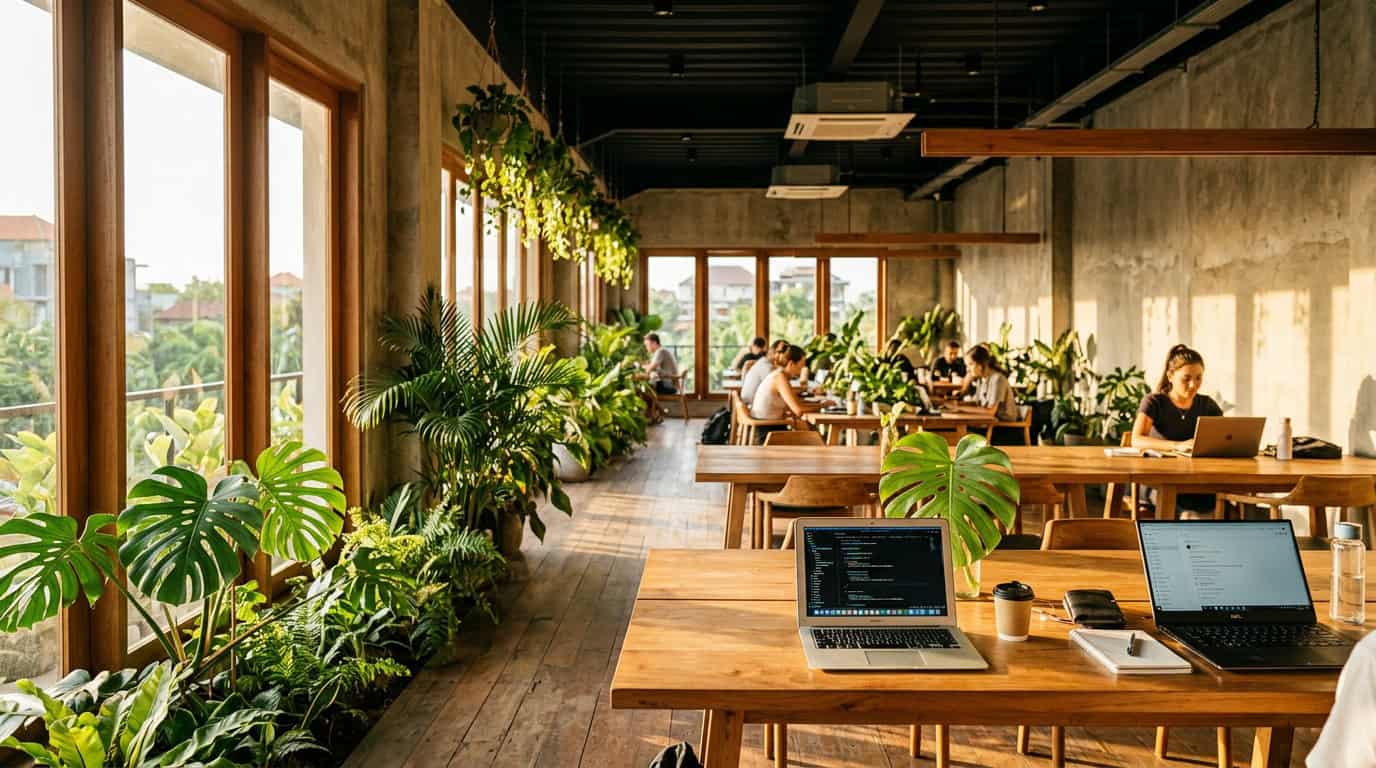
What Makes a City Truly Great for Digital Nomads?
Not every place that calls itself “nomad-friendly” actually is. Some cities get hyped because they’re photogenic on Instagram. Others earn their reputation through years of genuinely supporting the remote worker community. The difference matters — especially when your income depends on a stable internet connection and your mental health depends on not feeling isolated.
The Four Factors That Matter Most
WiFi and connectivity — We’re talking consistent speeds above 25 Mbps for video calls, plus backup options like mobile data and reliable coworking spaces with dedicated fibre. One bad router in an Airbnb shouldn’t derail your workday.
Cost of living for remote workers — Not just rent, but the full picture: coworking memberships, meals out, transport, health insurance, and the occasional weekend trip. A city that’s cheap on paper can feel expensive once you factor in the lifestyle you actually want.
Community and social infrastructure — Are there regular nomad meetups? A Slack or Facebook group that’s genuinely active? English-speaking locals and expats? Good public transport so you can actually get around? The best remote work destinations feel like a community, not a transit lounge.
Quality of life — This is the wildcard. It covers safety, air quality, food culture, access to nature, healthcare, and that harder-to-define sense of whether a place has good energy. You can have perfect WiFi in a city that slowly drains you.
How We Ranked These Cities
Each city below has been assessed across all four factors. Where possible, cost estimates reflect mid-2026 conditions. Nomad visa situations are current as of the date of this article, but visa rules change — always verify directly with the relevant embassy or official government source. Here are the best digital nomad cities 2026 :
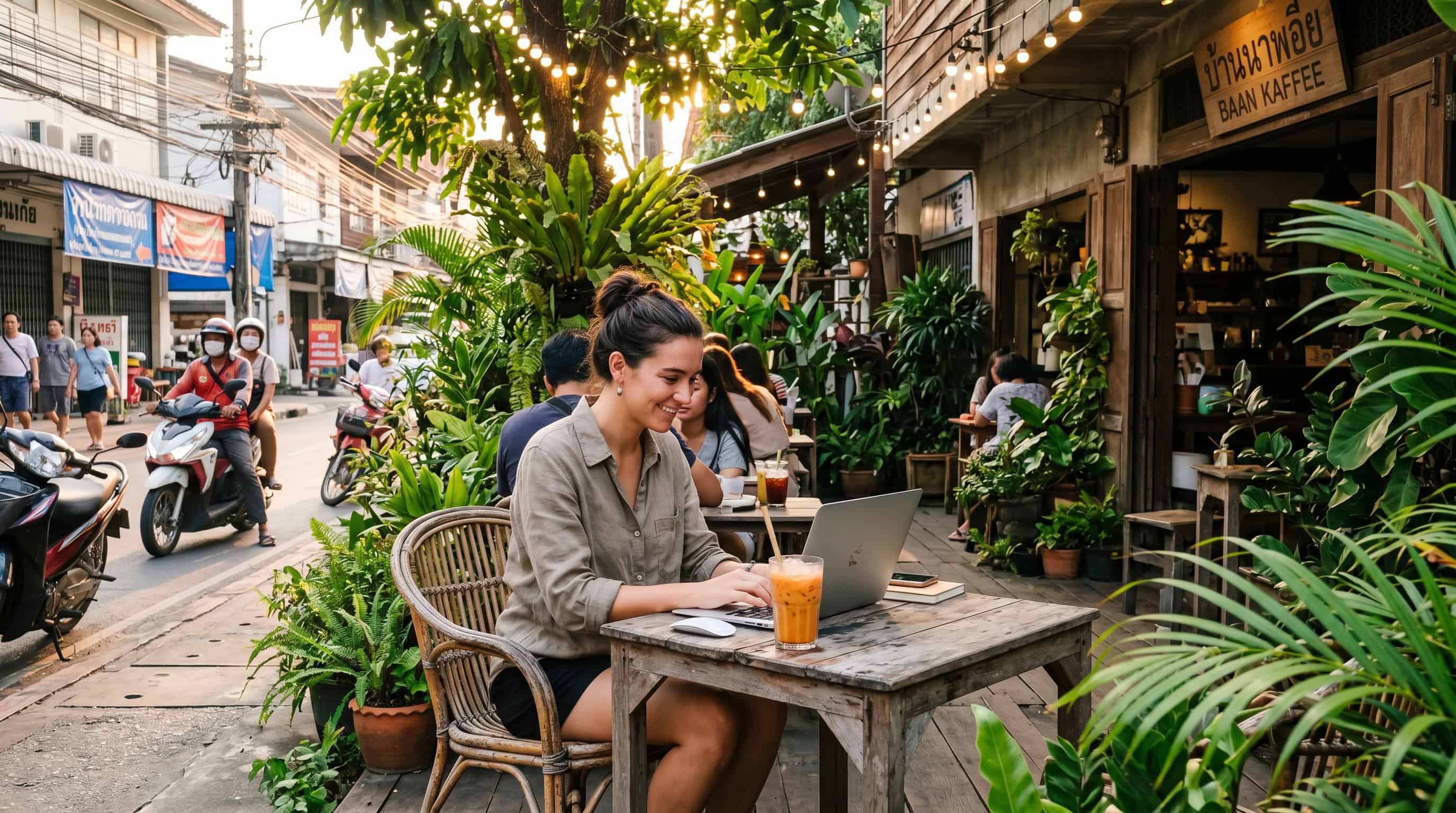
Chiang Mai, Thailand — The Classic That Still Delivers
Some cities get called nomad hubs and don’t deserve it. Chiang Mai has earned it over more than a decade. It’s not flashy, but it works — and in the nomad world, that counts for a lot.
WiFi and Coworking Scene
Fibre broadband is widely available in apartments and hotels. Speeds in the 100–300 Mbps range are common in co-living spaces and coworking venues. The city has dozens of established coworking spaces — CAMP (the free WiFi café institution), MANA, Yellow, and Think Park among them — plus a thriving café culture where you can work comfortably for the price of a coffee.
Mobile data on AIS or DTAC is cheap and surprisingly fast. 4G backup is rock solid throughout the city.
Cost of Living Snapshot
A comfortable month in Chiang Mai — private apartment, coworking membership, eating out daily, and a few activities — typically runs USD $1,100–$1,600. You can do it for less if you’re disciplined; you can spend more if you rent somewhere with a pool. Either way, your money stretches here in a way it simply doesn’t in Europe.
Community and Quality of Life
This is where Chiang Mai separates itself. The nomad community is large, long-established and genuinely welcoming. Facebook groups like “Chiang Mai Digital Nomads” have tens of thousands of members. Weekly meetups, skill-shares and rooftop socials happen constantly. The food scene is exceptional — northern Thai cuisine is its own universe — and day trips to temples, elephant sanctuaries and the mountains keep weekends interesting.
The downsides: air quality issues from March to May (burning season) are real and worth planning around. The city can also feel like you never truly leave the expat bubble. But as a base for getting started with the nomad lifestyle? Chiang Mai is still unmatched.
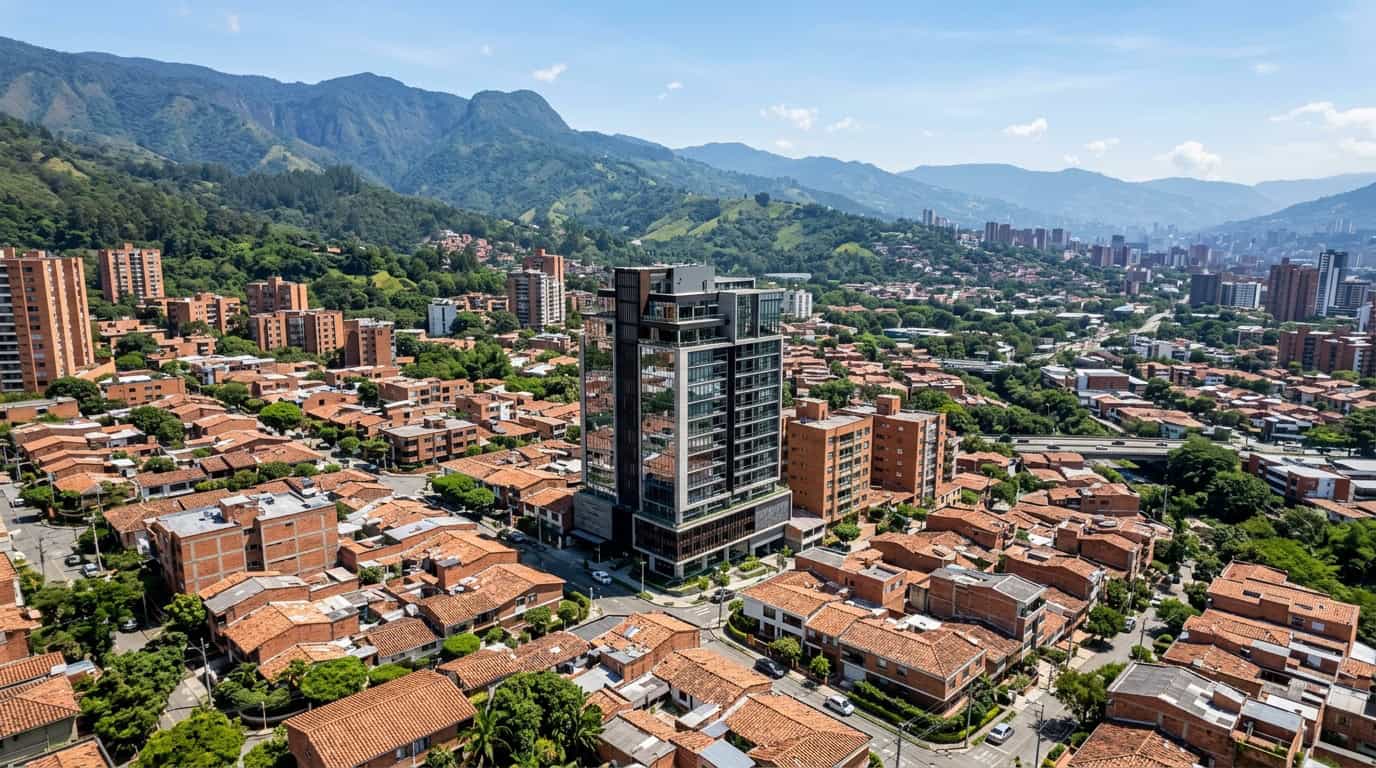
Medellín, Colombia — Latin America’s Remote Work Powerhouse
Medellín has had one of the most remarkable urban transformations of the 21st century, and remote workers are now a key part of its identity. The city known as the “City of Eternal Spring” for its near-perfect 22–28°C temperatures year-round has become the top remote work destination in Latin America — and it’s not hard to see why. They made it to this best digital nomad cities 2026 list.
WiFi and Coworking Scene
Internet infrastructure has improved dramatically. Fibre is available in most modern apartments and coworking spaces. Expect 50–150 Mbps in well-equipped spaces. El Poblado and Laureles — the two neighbourhoods most popular with nomads — both have strong coverage. Coworking options include Selina, Atom House, and Espacio Coworking, with prices well below what you’d pay in Lisbon or London.
Cost of Living Snapshot
Monthly costs for a comfortable lifestyle in Medellín sit around USD $1,400–$2,000, depending heavily on neighbourhood. El Poblado is pricier and more tourist-facing; Laureles gives you a more local experience at a lower cost. Eating out is an absolute pleasure — the food scene has exploded in the past few years, with everything from traditional Colombian spots to genuinely excellent international restaurants.
Community and Quality of Life
The nomad community in Medellín is young, energetic and very social. Events happen constantly — language exchanges, hiking groups, networking nights and salsa classes that nobody is pressured into but everyone ends up at eventually. The public metro system is excellent by regional standards, and the cable cars offer views that remind you this is not a normal city.
Worth knowing: safety has improved significantly, but staying aware in certain areas remains important. Stick to the neighbourhoods where nomads cluster and you’ll be fine. Many find the overall vibe of Medellín — warm, creative, fast-moving — genuinely addictive.
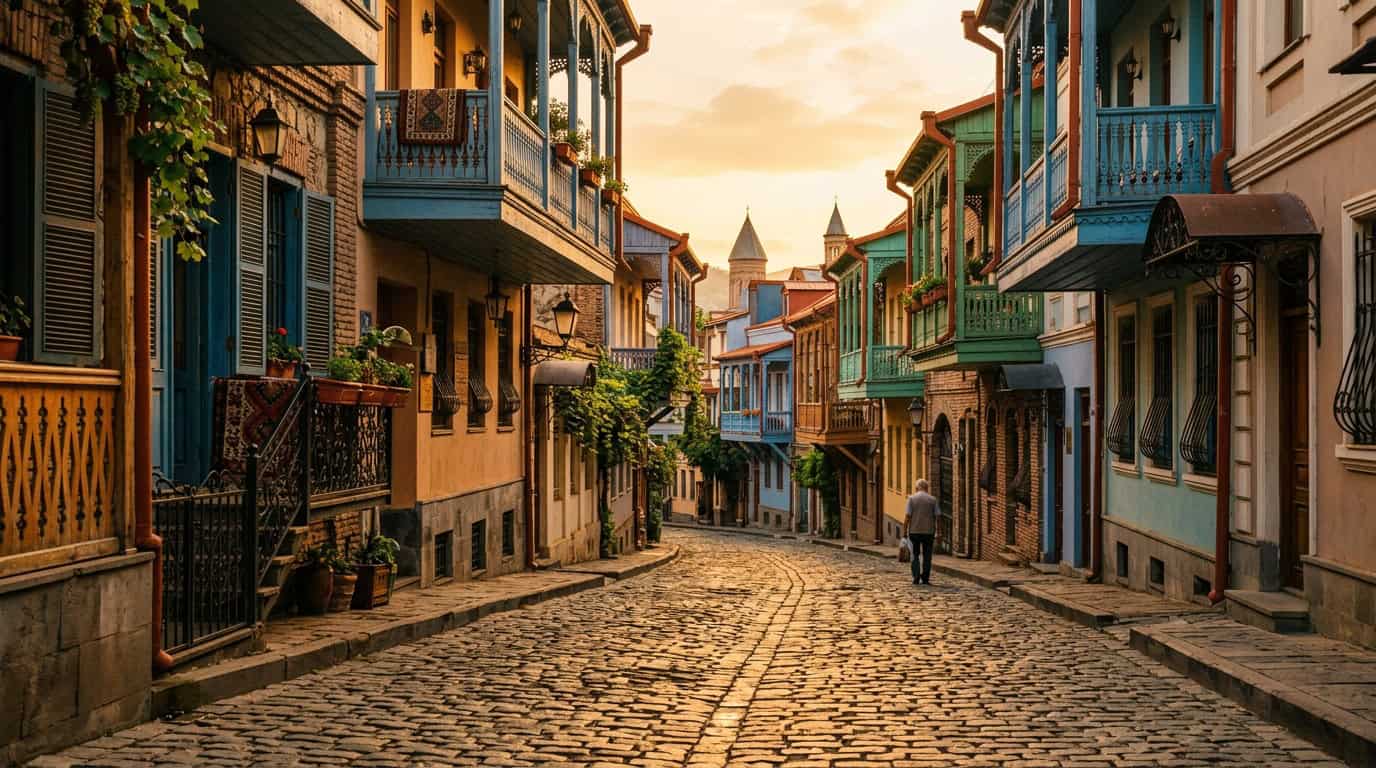
Tbilisi, Georgia — Europe’s Best-Kept Nomad Secret
If you haven’t seriously considered Tbilisi yet, now is the time. Georgia offers something rare: a European cultural experience at Southeast Asian prices, with a visa situation so generous it almost feels like a mistake.
WiFi and Coworking Scene
Internet speeds are good and improving. Most coworking spaces and modern apartments offer fibre connections in the 50–200 Mbps range. The coworking scene — Fabrika, Impact Hub, Terminal — is professional and growing. The café culture in the Vera and Vake districts is strong, and many cafés are clearly set up with remote workers in mind.
Cost of Living Snapshot
This is where Tbilisi stands out. A comfortable month — good apartment, coworking membership, eating well, some weekend exploration of the incredible Georgian countryside — comes in at around USD $900–$1,300. That puts it in the same price bracket as Chiang Mai but with a European cultural feel, excellent wine (Georgia is one of the oldest wine regions in the world) and a food scene that deserves far more international attention than it gets.
Community and Quality of Life
The nomad scene in Tbilisi is smaller than Medellín or Bali but growing quickly. The Tbilisi Nomads Facebook group and various Telegram channels are active. More importantly, Georgian hospitality is genuine and remarkable — locals are famously welcoming to visitors in a way that doesn’t feel performative.
The city itself is stunning: medieval churches, Soviet-era architecture, and a contemporary arts scene all coexist in a compact, walkable old town. Georgian cuisine — khinkali dumplings, khachapuri cheese bread, slow-cooked stews — is outstanding. And the Caucasus mountains are two hours away for weekend hiking.
The one catch: Georgia’s unofficial policy of allowing 365-day stays for most nationalities has attracted a huge influx of remote workers since 2022, which has pushed rents up in central areas. It’s still excellent value, but it’s not as cheap as it was two years ago. But they are still in our best digital nomad cities 2026 list, regardless.
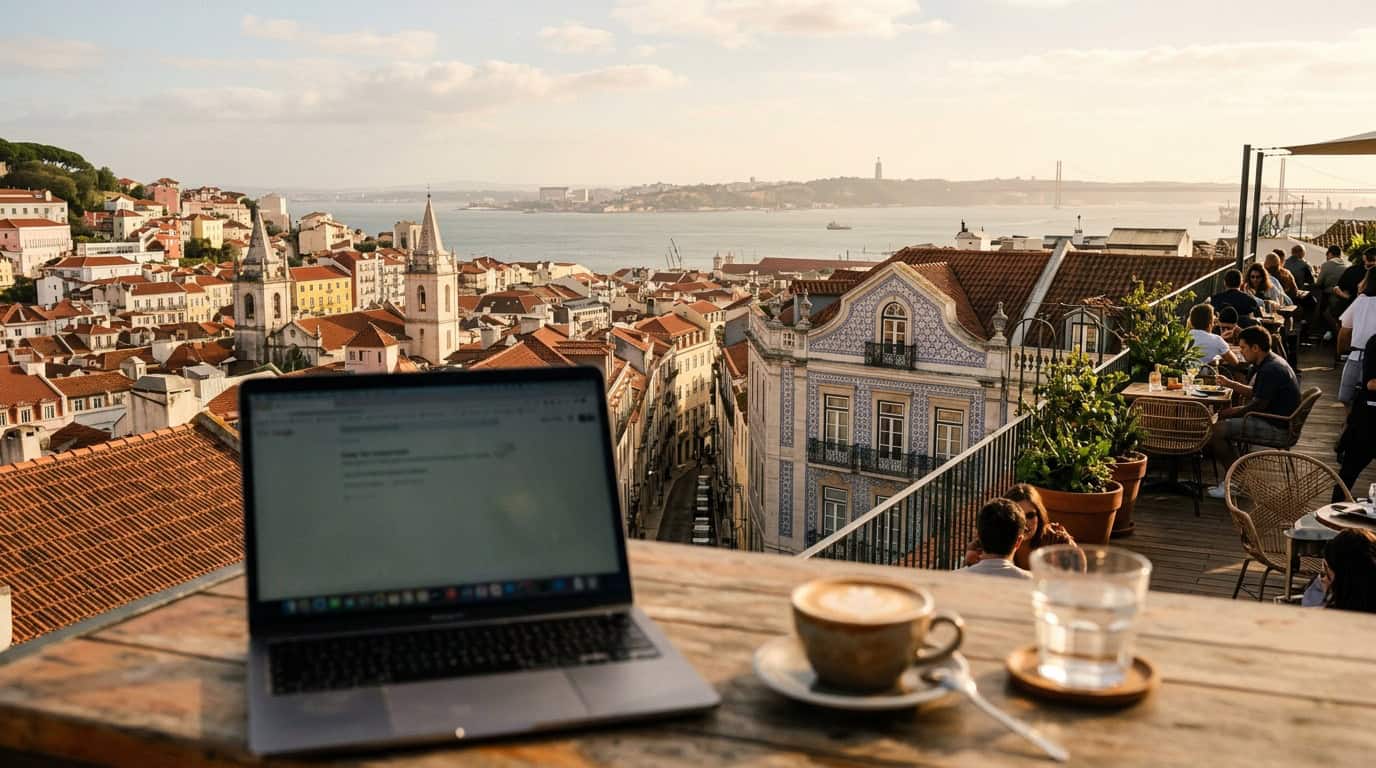
Lisbon, Portugal — Premium Vibes With a Price Tag to Match
Lisbon is consistently one of the most-loved cities in Europe, and its digital nomad infrastructure is genuinely excellent. The question is whether the cost still makes sense — because Lisbon has changed.
WiFi and Coworking Scene
Connectivity is excellent throughout the city. Fibre is standard in most modern apartments. Coworking options are plentiful: Second Home, Heden, and Selina Mouraria are popular, alongside dozens of independent spaces. Café culture is strong and working-friendly, though the most popular spots can fill up fast on weekday mornings.
Cost of Living Snapshot
This is where Lisbon demands honesty. Rents have increased significantly over the past three years. A comfortable month as a nomad — decent one-bedroom apartment in a good neighbourhood, coworking membership, eating out regularly — now runs USD $2,500–$3,500. That’s not outrageous by Western European standards, but it’s a significant jump from where the city was even in 2023.
If your income is strong, Lisbon remains exceptional value for a Western European capital. If you’re on a tighter budget, neighbouring cities like Porto or smaller towns like Setúbal offer the same Portuguese quality of life at a meaningfully lower price.
Community and Quality of Life
The nomad community in Lisbon is mature, international and well-organised. NomadX, various Meetup groups and a thriving co-living scene mean it’s easy to meet people. The city itself — trams, viewpoints, Atlantic seafood, late evenings that actually feel safe — is genuinely wonderful. The D7 visa and Digital Nomad Visa (for non-EU residents) make staying legal relatively straightforward.
If budget is flexible, Lisbon earns its reputation. Just go in with accurate cost expectations.
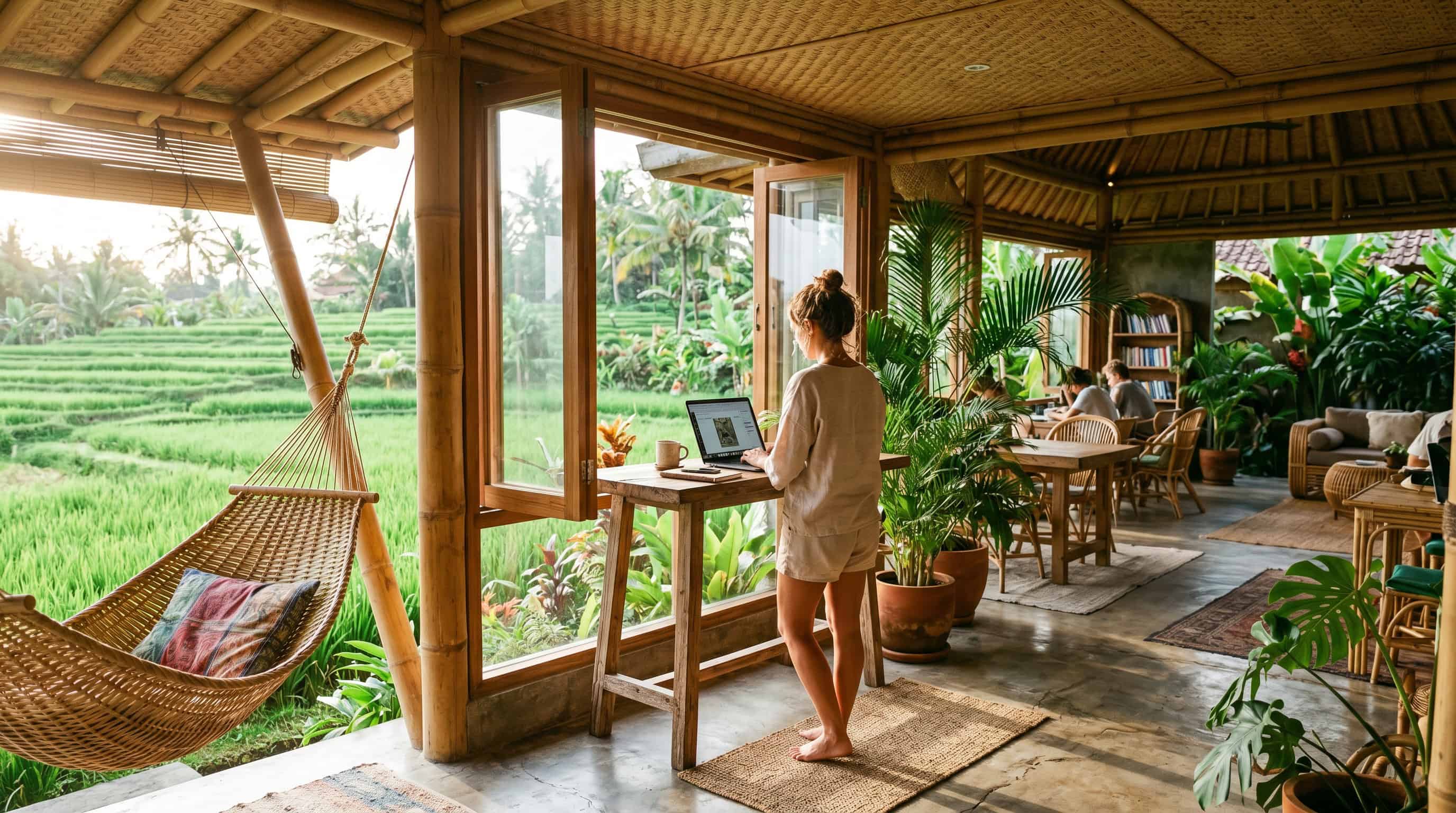
Bali (Canggu), Indonesia — Sun, Surf and Surprisingly Strong WiFi
Bali has been a nomad destination for so long that it’s almost a cliché. But clichés persist for a reason, and Canggu — the beach-town district that’s become the epicentre of Bali’s remote work scene — still delivers in ways that keep people coming back.
WiFi and Coworking Scene
WiFi quality in Canggu has improved substantially. The best coworking spaces — Dojo, Outpost, Tropical Nomad — offer fast, reliable fibre with excellent facilities. The challenge is consistency outside dedicated workspaces: villa WiFi can be variable, and heavy rain occasionally causes outages. A local SIM with Telkomsel data is essential as a backup.
Cost of Living Snapshot
Monthly costs in Canggu depend a lot on your accommodation choices. A villa with a pool and a coworking membership can cost USD $1,500–$2,200; a more modest setup in a smaller villa or homestay brings that down to $1,000–$1,400. Eating out is cheap — excellent local warungs serve full meals for under $3 — but the Instagram-friendly cafés and restaurants popular in the nomad scene are priced at near-Western rates.
Community and Quality of Life
The Canggu nomad scene is enormous and, depending on your personality, either energising or overwhelming. It’s young, social and party-forward. If you’re after the surf-session-before-work, sunset-cocktails-after lifestyle, this is where it exists in its purest form. If you need peace and quiet to focus, you may find it relentless.
The introduction of Indonesia’s new Digital Nomad Visa (officially the “Second Home Visa”) has made longer stays more straightforward, though the process requires some paperwork and a minimum income requirement. For those who qualify, it’s a genuine improvement over the old tourist-visa-run situation.
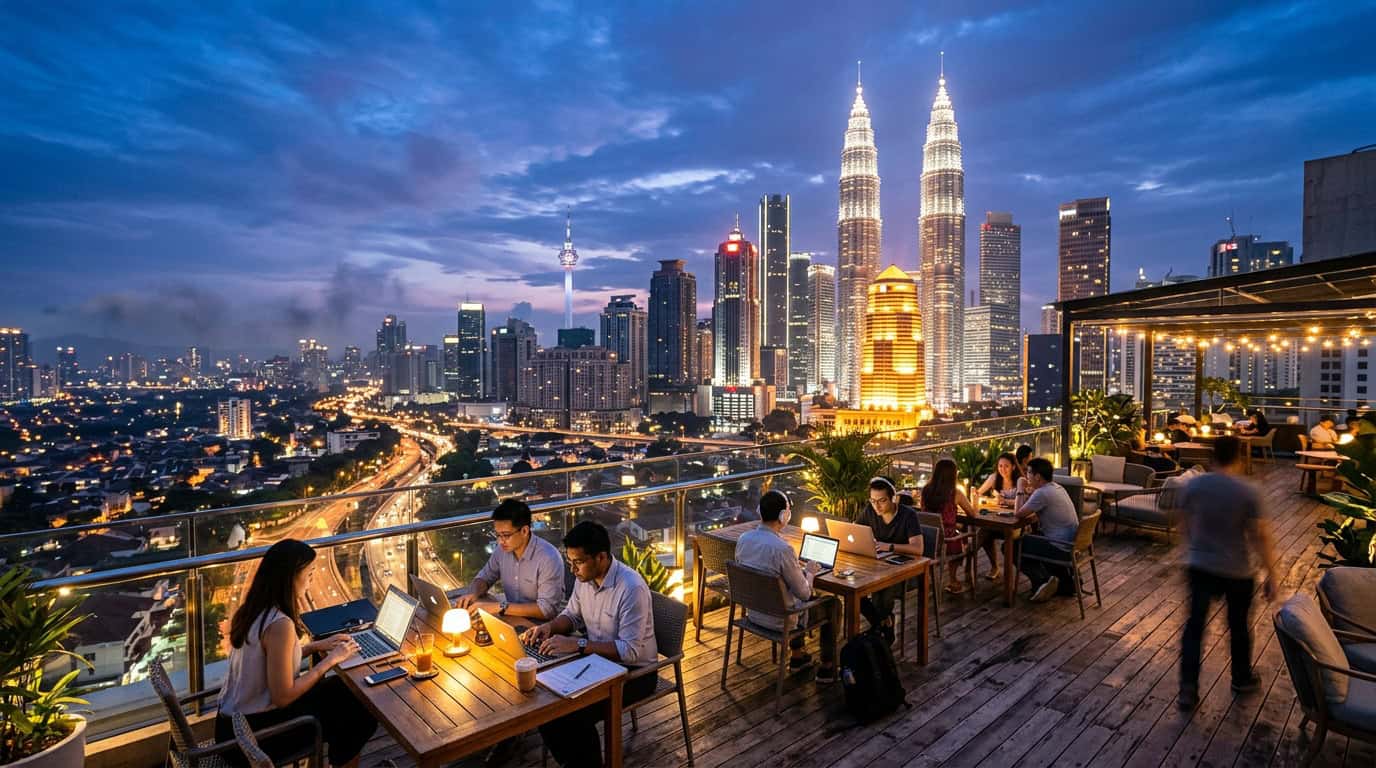
Kuala Lumpur, Malaysia — The Underrated All-Rounder
Kuala Lumpur doesn’t get enough credit in the nomad conversation. It’s consistently overlooked in favour of flashier alternatives, which is a shame — because on almost every practical metric, KL outperforms cities that get far more attention.
WiFi and Coworking Scene
Internet infrastructure is excellent. Fibre broadband is standard in modern apartments, with speeds routinely hitting 100–500 Mbps. The coworking scene is well-developed — Colony, Common Ground and Glenmarie are well-regarded options, with prices below what you’d pay in Singapore or Bangkok. Café working culture is strong, particularly in the Mont Kiara, KLCC and Bangsar neighbourhoods.
Cost of Living Snapshot
Here’s where KL genuinely surprises. A comfortable month — good apartment in a central neighbourhood, coworking membership, eating well across the city’s extraordinary food scene — typically costs USD $1,200–$1,800. That’s for a quality of living that would cost three or four times more in Singapore. The Malaysia My Second Home (MM2H) programme and the recently introduced Digital Nomad Pass (DE Rantau) provide legitimate longer-stay options.
Community and Quality of Life
The nomad community in KL is growing. DE Rantau has attracted a new wave of remote workers, and coworking events and community meetups are increasingly common. English is widely spoken. The food — Malaysian, Chinese, Indian, fusion — is genuinely world-class and extraordinarily affordable.
The practical advantages are significant: excellent public transport (the LRT and MRT are reliable and cheap), world-class healthcare at a fraction of Western prices, and a central location that makes short trips to Penang, Langkawi, or neighbouring countries in Southeast Asia easy and affordable.
The main critique: KL can feel like a city designed for cars rather than people in some areas, and the heat and humidity take adjustment. But as a practical, affordable, high-quality remote work base? It’s one of the best in the world.
Now you have our best digital nomad cities 2026 list to choose from.
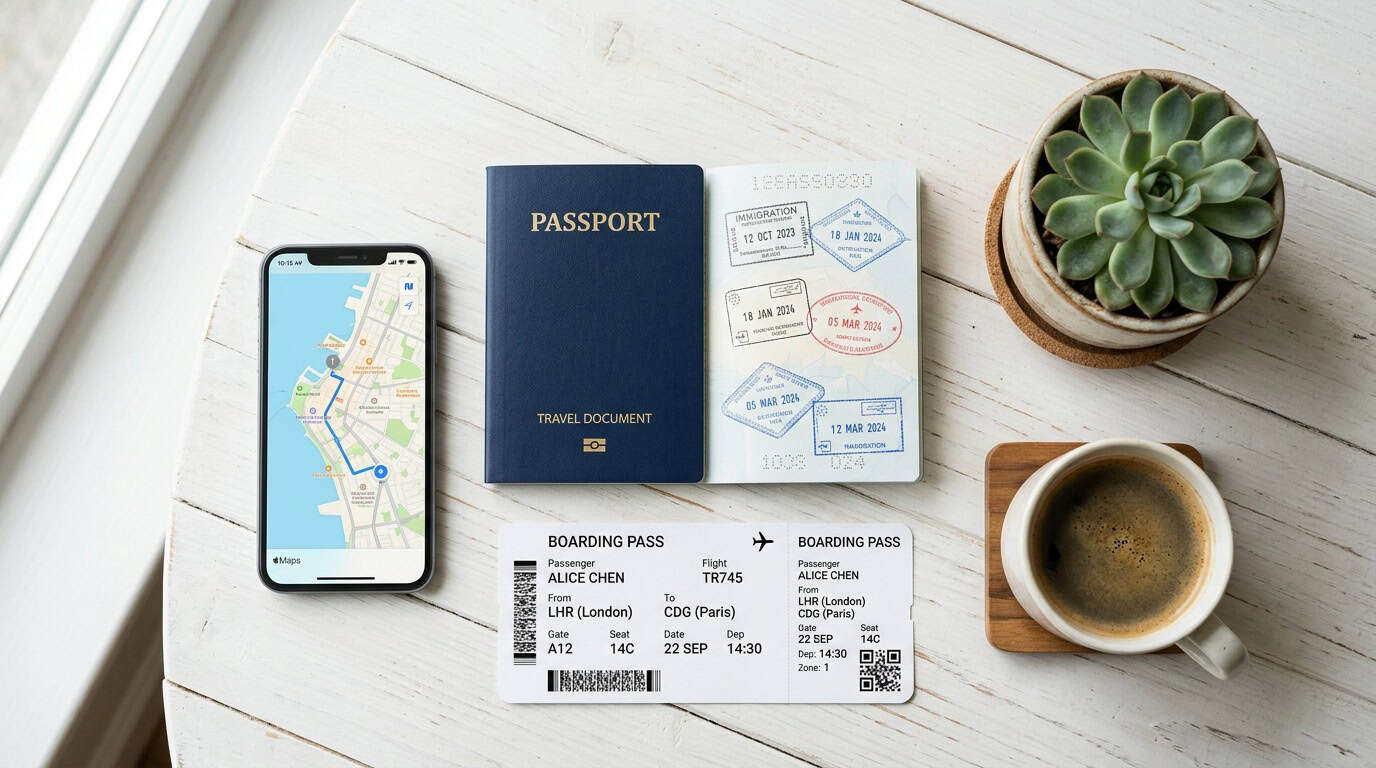
Digital Nomad Visas — Which Countries Make It Easiest to Stay Legal?
The visa situation for remote workers has improved dramatically over the past three years. Here’s a quick snapshot of the current landscape for the cities in this guide:
| Country | Visa Option | Duration | Monthly Income Requirement |
|---|---|---|---|
| Portugal | Digital Nomad Visa / D7 | 1–2 years (renewable) | ~€3,040/month |
| Colombia | Digital Nomad Visa | Up to 2 years | ~USD $684/month |
| Georgia | Remotely from Georgia | Up to 1 year | Proof of remote income |
| Indonesia | Second Home Visa | Up to 5 years | ~USD $2,000/month |
| Malaysia | DE Rantau Pass | Up to 12 months (renewable) | USD $24,000/year |
| Thailand | LTR Visa (Work from Thailand) | Up to 10 years | USD $80,000/year income |
Note: Thailand’s standard nomad option remains the tourist visa + border run arrangement for most budget nomads; the LTR is aimed at higher earners. Always verify current requirements directly with official government sources before applying.
For a practical breakdown of what to pack for extended travel, our complete travel packing list covers everything you’ll need for a long-haul remote work trip.
How to Choose the Right City for You
The “best” city is the one that fits your life, not the one that tops a ranking. Here’s a framework for making the decision:
Start with your budget. Be brutally honest. If your monthly income after tax is USD $2,000, Lisbon will be tight and stressful. Tbilisi or Chiang Mai will let you live well and save money. If your income is $5,000+, your options open up considerably.
Think about timezone. If your clients or employer are in the US, working from Southeast Asia means early mornings or late nights for calls. Europe (Lisbon, Tbilisi) keeps you closer to US East Coast hours. This matters more than most people account for when they first start.
Consider what you actually need socially. Some people thrive in a big, noisy nomad scene (Canggu, Medellín). Others do their best work in quieter environments where they can build actual routines and friendships (Tbilisi, KL). Know yourself.
Climate and lifestyle fit. Do you want to surf? Canggu. Hike in mountains? Medellín or Tbilisi. Urban culture and great food? KL or Lisbon. Extreme budget travel? Chiang Mai or Tbilisi.
Try before you commit. Start with a one-month test before signing a long-term lease or buying a coworking annual membership. Most cities feel different after week three than they do on arrival.
FAQ — Best Digital Nomad Cities 2026
Which is the cheapest city for digital nomads in 2026?
Tbilisi, Georgia and Chiang Mai, Thailand are consistently the most affordable, with comfortable monthly budgets possible around USD $900–$1,300. Both offer excellent infrastructure at very low cost.
Which city has the best digital nomad community?
Medellín and Bali (Canggu) have the largest and most active communities, with constant events and a strong social scene. Chiang Mai has the most established long-term community. For a quieter but growing scene, Tbilisi and Kuala Lumpur are both worth considering.
Do I need a digital nomad visa to work remotely abroad?
Not always — many countries allow you to work remotely on a standard tourist visa (always check local laws), but official digital nomad visas offer legal clarity and often access to local banking and tax benefits. Portugal, Colombia, Georgia, Indonesia and Malaysia all have clear remote work visa pathways.
What internet speed do I need as a digital nomad?
For video calls and general remote work, 25 Mbps is a functional minimum. For heavy uploaders, developers or those handling large files, 100 Mbps+ is preferable. All cities in this guide offer coworking spaces that meet or exceed these requirements.
Is it safe to work from a café as a digital nomad?
In most established nomad cities, yes — café working culture is well-understood and the risk of laptop theft is similar to any urban environment. Use a laptop lock if you step away, avoid leaving devices unattended, and use a VPN on public networks.
What’s the biggest mistake digital nomads make when choosing a city?
Choosing based on aesthetics rather than practical fit. A city can be beautiful and miserable to work from — bad internet, no community, expensive accommodation, unfriendly visa rules. Research the specifics before committing.
How long should I stay in each city?
Most nomads find that three months is the sweet spot — long enough to settle into a routine, make genuine connections, and feel what a place is actually like rather than what it feels like as a tourist.
The best digital nomad cities in 2026 are more varied than ever, and that’s genuinely good news. Whether you’re drawn to the beach energy of Canggu, the cultural richness of Tbilisi, the urban convenience of Kuala Lumpur, or the Latin American warmth of Medellín, there’s a city that fits the way you work and live. The key is doing the research, testing the fit, and resisting the urge to book somewhere just because it looks good in someone else’s Instagram grid.