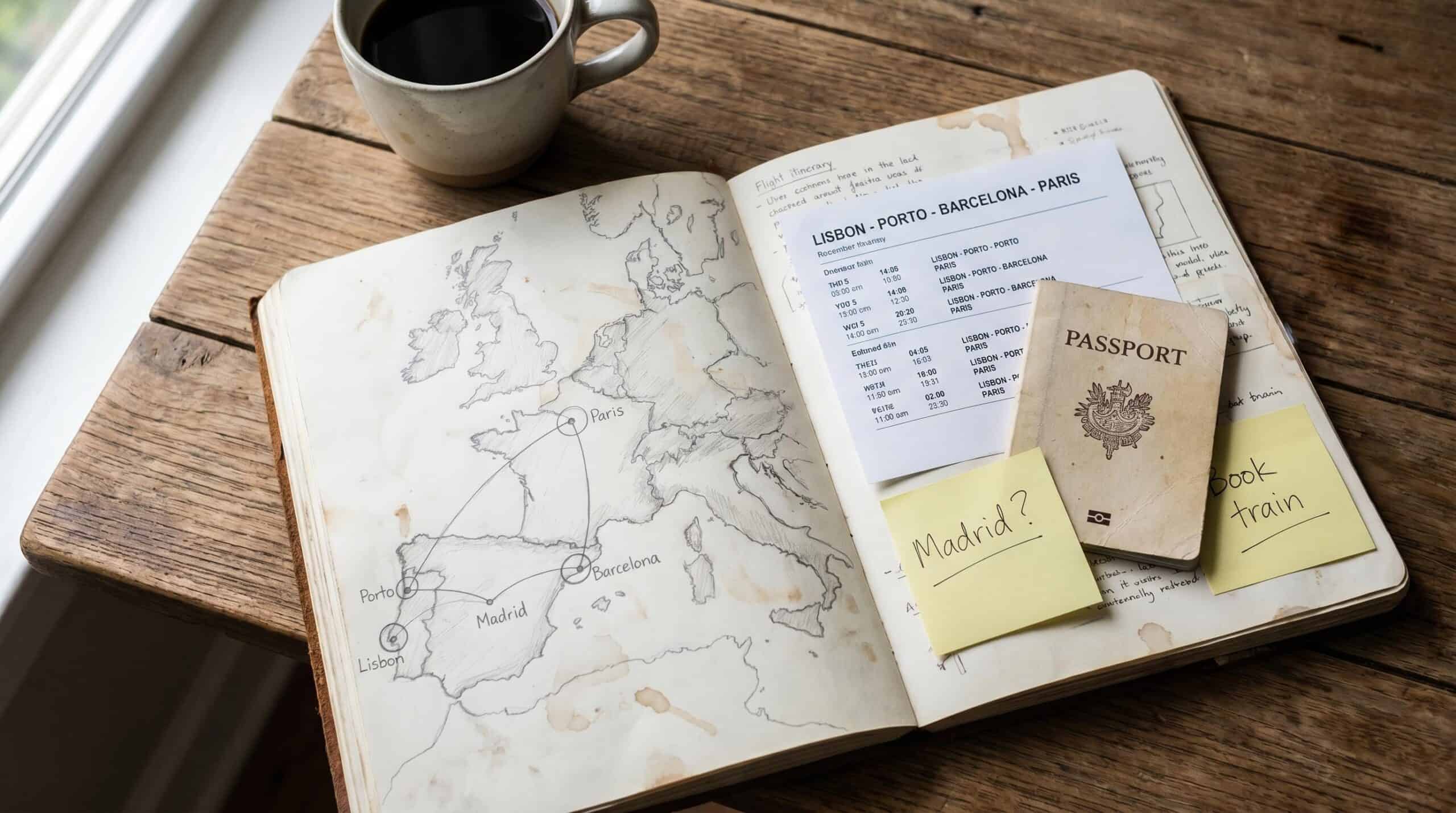
Headlines about Egypt swing between flawless and frightening, and neither helps you choose a hotel. Official sources give a steadier picture. When travelers ask is it safe to visit Cairo, the governments that publish advice answer with caution levels, named no-travel zones and a short list of everyday habits. This guide turns that advice into decisions: where to stay, what entry costs, how to handle touts, and what to watch before you fly. Rules and conditions change, so check each official page before you book.
Is it safe to visit Cairo? Official advice says use caution, and the no-travel zones lie elsewhere
The short answer from governments is measured rather than alarming. The US State Department lists Egypt at Level 2, exercise increased caution, in an advisory dated 15 July 2025 that lowered the country from Level 3. Its risk indicators are terrorism, crime and health. The Level 4 do-not-travel zone is the Northern and Middle Sinai Peninsula, and a US Embassy Cairo security alert from March 2026 repeats do-not-travel guidance for parts of the Western Desert. Cairo is on neither list.
The UK Foreign, Commonwealth and Development Office (FCDO) draws a similar map. It advises against all travel to some areas, including North Sinai Governorate, and against all but essential travel to others, including parts of South Sinai, the Ismailiyah Governorate east of the Suez Canal and the Western Desert. Its regional page does not single out Cairo, and it lists Giza as not advised against as a whole.
So is it safe to visit Cairo for a typical sightseeing trip? Taken together, the published advice describes a destination where visitors should use caution, not one where Cairo itself is off the table. The UK describes crime across Egypt as generally low and calls pickpocketing rare. The concerns that remain are specific: terrorism risk named in the US advisory, regional tensions, scams aimed at tourists, and local laws that catch visitors off guard. Each gets its own section below.
One habit makes these pages far more useful: read the area list, not only the level. A country-wide number blends very different places into a single score. The lists show where risk concentrates, and those places are Sinai, desert and border zones rather than the Nile-side districts where most visitors stay.
Check before you travel: advisory levels and regional conditions moved several times during 2026. Confirm the current level on the US and UK pages linked in this guide before you book, and again before you fly. Last checked 24 November 2026.
Visitors keep coming for pyramids, museums and old quarters within one metro area
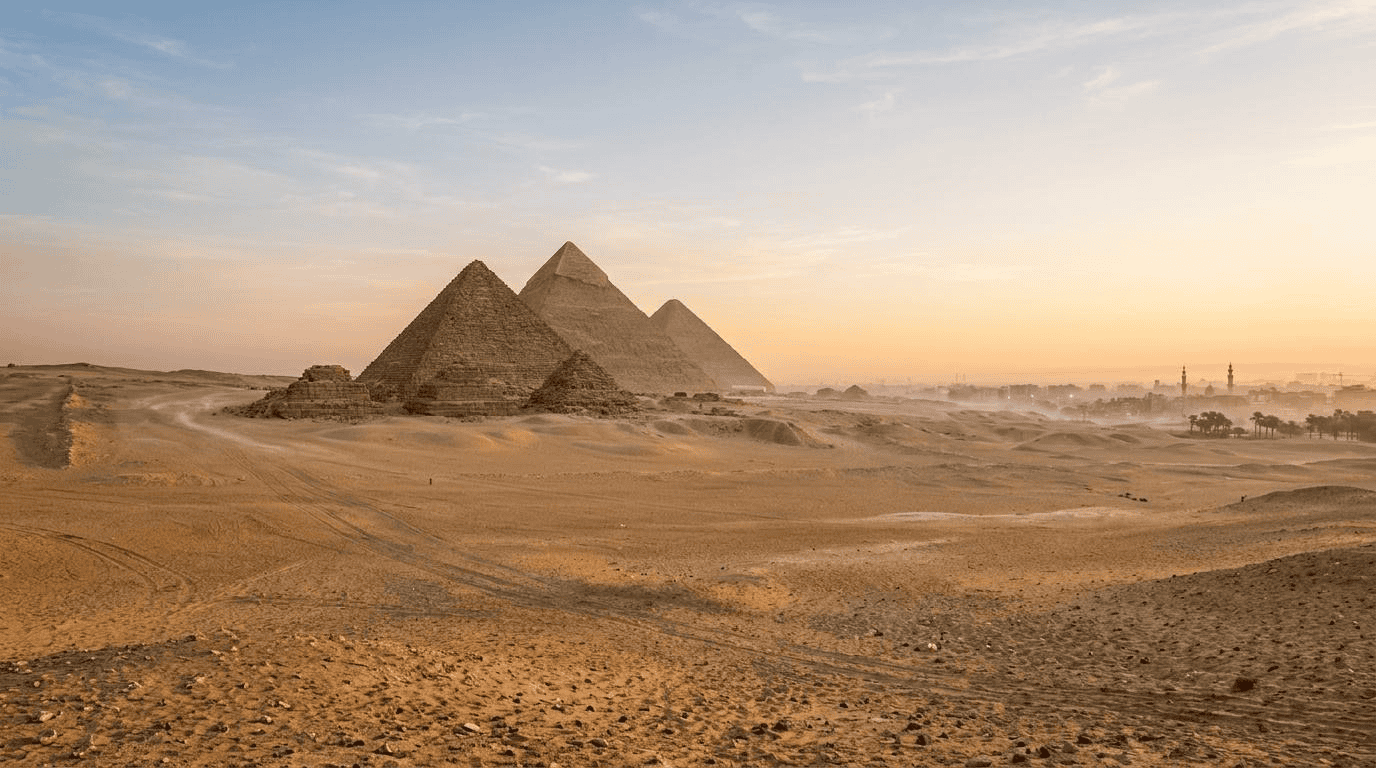
Few cities pack so much history into one commute. UNESCO inscribes Memphis and its Necropolis, the Pyramid Fields from Giza to Dahshur, and its description names the Great Pyramid of Giza, the Step Pyramid of Djoser at Saqqara and the Dahshur pyramids as examples of human creative genius. These fields lie within day-trip range of central Cairo, so one hotel can serve several outings.
Inside the city, the old quarters reward slow walking. Islamic Cairo gathers mosques, madrasas and the Khan el-Khalili bazaar. The Citadel of Saladin looks out over the rooftops, and Coptic Cairo, the old Christian quarter, adds churches and a museum to the mix. Museum days now have two anchors: the Egyptian Museum near Tahrir Square and the Grand Egyptian Museum on the edge of the Giza plateau. Opening hours and ticket rules change, so confirm both on each museum's official site.
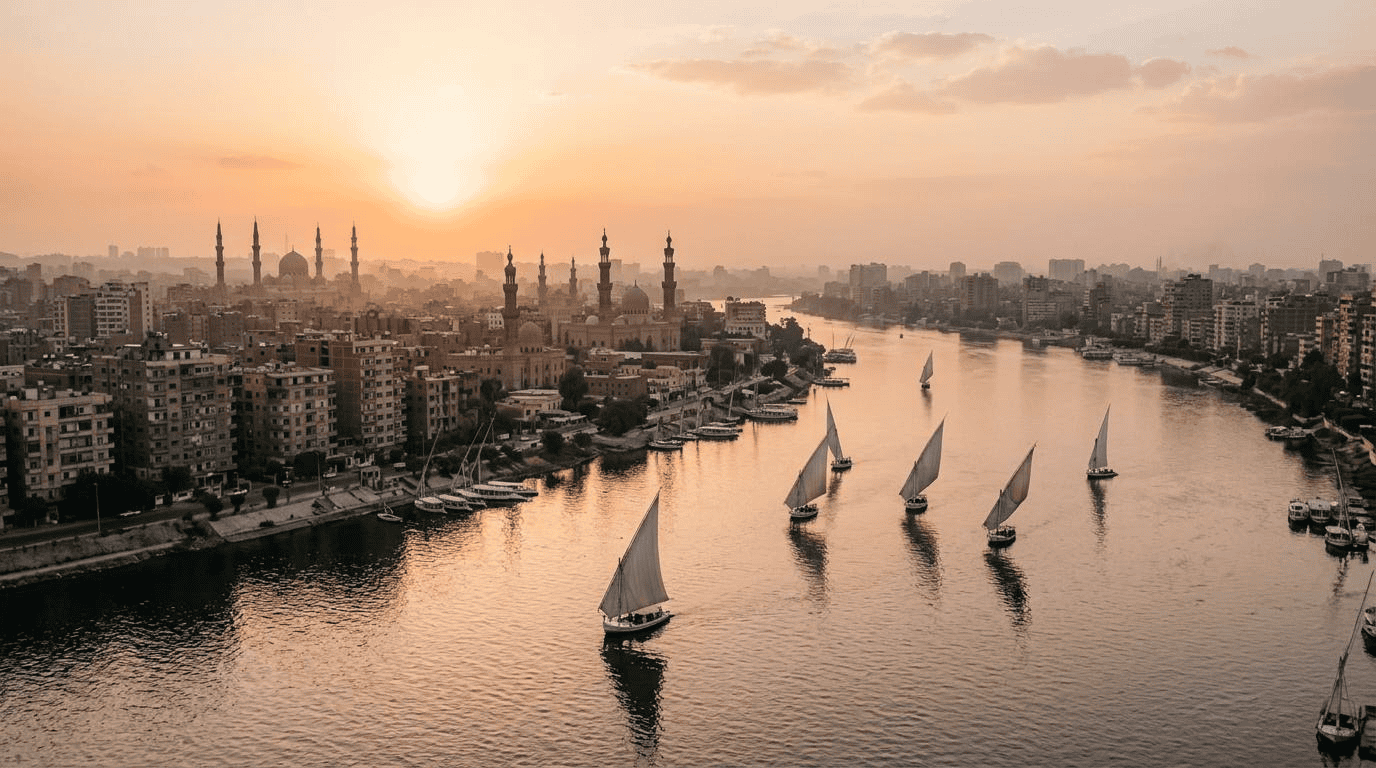
The Nile ties these pieces together. A late-afternoon sail on a traditional felucca, a riverside walk or a cafe table on Zamalek gives a slower rhythm after a morning of monuments, and none of it requires leaving the central districts.
Here is the planning insight most itineraries miss. The major sights fall into three zones: the pyramid fields to the west and south, the medieval core to the east, and the museums and river corridor in the middle. Group each day by zone. Fewer cross-city transfers mean fewer fare negotiations with drivers, and that matters because the UK advice flags touts and scammers in tourist areas as the most common nuisance.
Your base shapes your trip: four neighborhoods compared by convenience, not by safety score
No official source ranks Cairo neighborhoods by safety, so this comparison covers convenience and atmosphere only. Read recent guest feedback and ask each hotel about its own security arrangements before you book. Choosing a base before you book is the same planning step we recommend in our Europe travel guide for first timers, and it pays off even more in a city as large as Cairo.
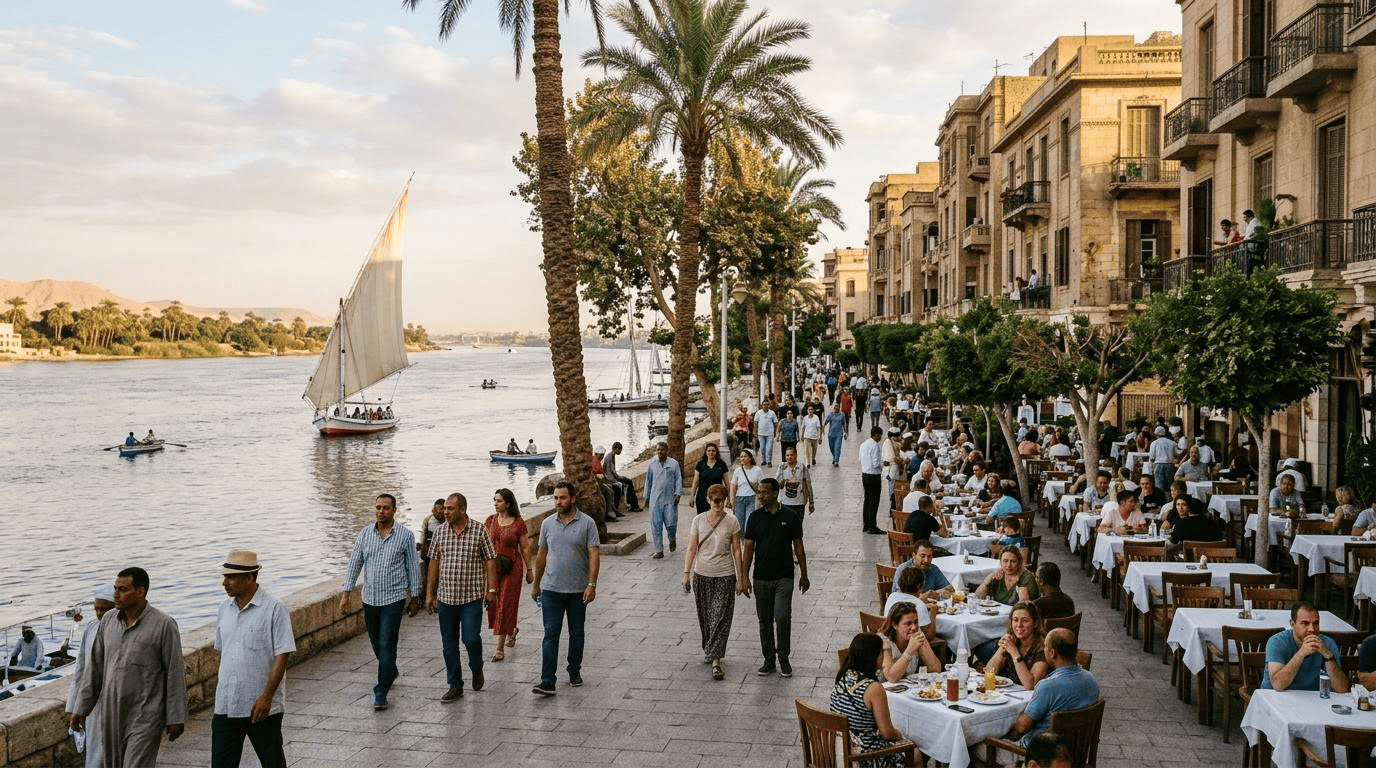
Zamalek. This island in the Nile is a common base for first visits because it packs cafes, galleries and embassies into a compact, walkable area. Bridges link it to Downtown, and the river corridor makes evening strolls pleasant. Rooms cost more than in many other districts, so compare rates before you commit.
Garden City. Curving streets and quieter blocks sit beside Downtown on the east bank of the Nile. The US Embassy is in this district, so expect a visible security presence on nearby streets. The location suits travelers who want to reach the Egyptian Museum on foot.
Downtown. Grand early twentieth century buildings, shops and the area around Tahrir Square define Downtown. It is busy, noisy and central, and it suits visitors comfortable with crowds. The US Embassy advises avoiding large gatherings and demonstrations anywhere in Egypt, and central squares are where gatherings tend to form, so check the news for planned events on the day you plan to walk through.
Giza. Hotels here put you minutes from the pyramid plateau, which suits a pyramids-first trip and early starts before the crowds build. The trade-off is distance from the museums and the old quarters, so every other outing becomes a longer ride. Tourist areas are also where the UK notes touts, so book tours with reputable providers and agree prices in advance.
Entry rules: passport validity, visa options and what each one costs
Start with the passport. UK government guidance says your passport needs an expiry date at least six months after your arrival date and at least one blank page. Check yours now, because renewal can take longer than a flight search.
Travelers can usually choose between three routes. The e-visa is bought online ahead of the trip, while the two visa-on-arrival routes are bought at the airport. The table below sets them side by side.
Prices checked on 24 November 2026 against the UK government entry requirements page.
| Visa route | Cost | Validity | How it works |
|---|---|---|---|
| Tourist e-visa | Fee shown during application | Up to 3 months | Apply online before departure |
| Visa on arrival sticker | US$30, cash only | Up to 30 days | Kiosks before immigration at approved airports |
| Digital visa on arrival, Cairo International Airport | US$36 by card, including a US$6 service fee | Not stated on the source page | Self-service machines or the visa on arrival portal, from 1 August 2026 |
Source: UK Foreign, Commonwealth and Development Office, Egypt entry requirements, updated 27 October 2026
Egypt's official e-visa portal, visa2egypt.gov.eg, tells applicants to create an application at least seven days before departure and to pay by debit or credit card. Its home page does not list fees or processing times, so read the fee at the payment step before you confirm. The digital visa on arrival is the newest option. Paying by card means no stack of cash at the airport, and the US$6 service fee is already inside the US$36 total.
Check before you travel: this table reflects UK government guidance, and eligibility and fees depend on your passport. Confirm your own visa route on the official Egyptian e-visa portal and with the Egyptian embassy or consulate that serves your country. Entry rules last checked 24 November 2026.
Touts, harassment and photo rules: the everyday friction, and how to handle each
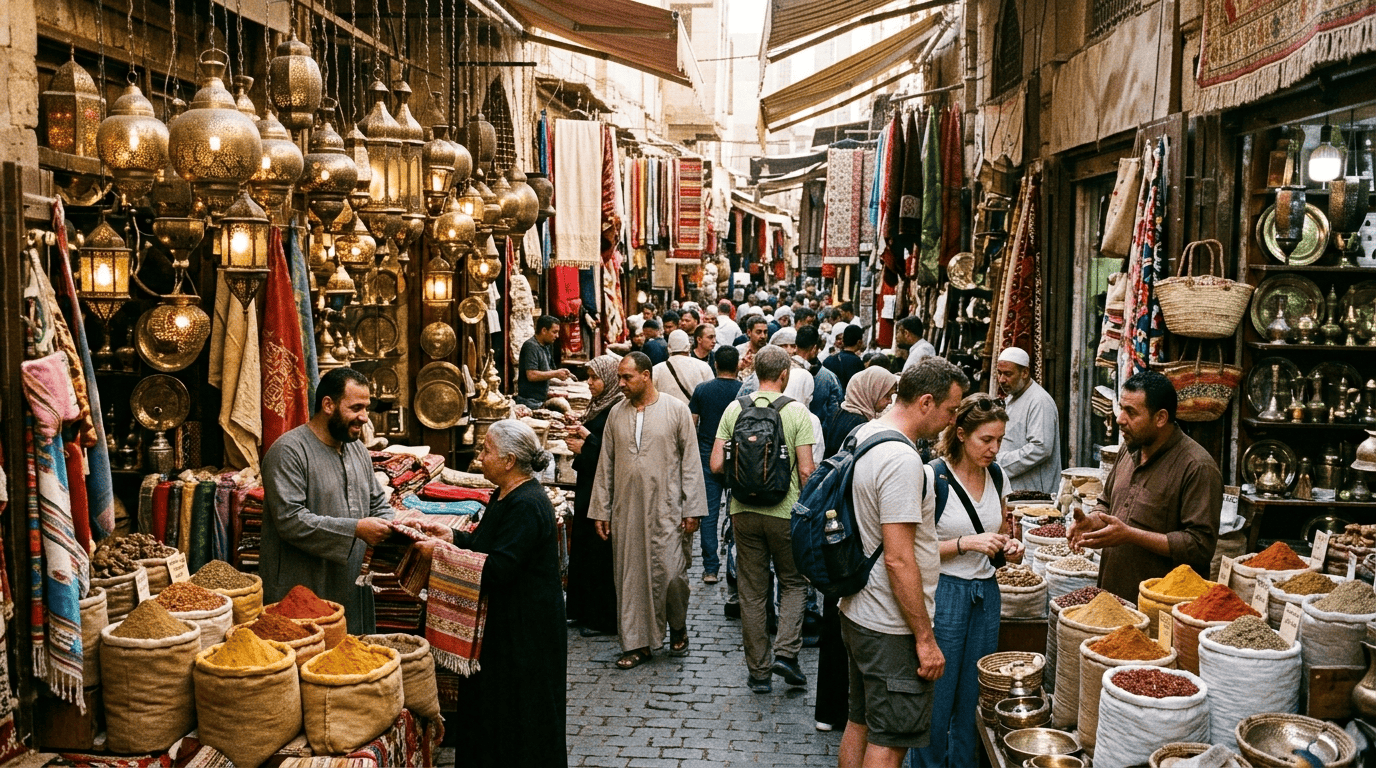
The UK safety and security page for Egypt is blunt and practical, and it is worth reading in full. It says crime is generally low, pickpocketing is rare, and scammers and touts sometimes target foreign nationals in tourist areas. That matches what most trips look like: the problems are overcharging, pushy offers and misunderstandings, not violent street crime.
Handling touts and fares. A few habits remove most of the friction.
- Settle the price of any ride, tour or felucca trip before you start, and confirm whether it covers the whole group.
- Book excursions through reputable providers, and research them in advance, as the UK advice recommends.
- Decline unsolicited offers politely and keep walking. A firm no is normal and rarely causes offense.
- Keep photocopies of your passport, visa and flight ticket apart from the originals.
If something goes wrong. Call the tourist police on 126. The UK notes that authorities may struggle to prosecute a crime that is not reported before you leave Egypt, so report it during your trip. If a passport is lost or stolen, report it to the police immediately, because you will need the report to transfer visa stamps to a replacement.
Harassment and personal safety. The British Embassy has received reports of sexual assault, mostly in Red Sea resorts and often involving someone the victim had already met, including hotel and excursion staff. For Cairo trips, the same precautions apply. The UK advises female travelers to take care when travelling alone, especially at night in taxis, to share driver and trip details and live location with someone, to avoid letting hotel staff into a room when alone, and to avoid sharing personal contact or social media details. Never leave children unaccompanied.
Photography and drones. Local rules matter more here than at many destinations. The UK guidance says to get an Egyptian citizen's written permission before photographing them, that photographing children is prohibited, and that photographing military property, including the Suez Canal, is illegal. It adds extra care around embassies, government buildings, infrastructure and religious buildings. Professional photography or film equipment needs a permit to enter Egypt.
Check before you travel: drones need prior permission from the Egyptian Ministry of Defence. The UK government says unauthorised use or import can bring up to seven years in prison or a fine of 5,000 to 50,000 Egyptian pounds. Leave the drone at home unless you hold written approval.
Regional tensions and no-go zones: what to monitor before you fly
This is the part of the picture that changed most during 2026, so it deserves a calm, factual read. The UK describes the wider Middle East context as deeply unpredictable, with a high risk of sudden escalation. It notes that since conflict began in early 2026, Iran has said it intends to target locations linked to the US and Israel, and that strikes and retaliatory attacks have occurred across the region. It also warns that borders in Israel and Palestine, including the Taba crossing into Egypt, could close at short notice.
The US Embassy in Cairo issued a series of alerts between March and April 2026. They said the embassy remained open and operating normally, that the Egypt advisory stayed at Level 2, and that travelers should monitor regional news, avoid large gatherings and demonstrations, and stay alert at locations publicly associated with the United States. Travelers in Sinai near the Taba crossing received extra guidance.
Turn that into a short routine:
- Enroll in the US Smart Traveler Enrollment Program, or your own government's equivalent, so the embassy can reach you.
- Check the US and UK advice pages the week you book and again the day before you fly.
- Buy travel insurance that covers your itinerary. The UK warns that cover could be invalidated if you travel against FCDO advice.
- Confirm your flights close to departure. Embassy alerts noted that airline schedules can shift when regional airspace changes.
- Keep Sinai and the Western Desert off a first itinerary unless you have studied the current area lists.
None of this is a reason to cancel a Cairo trip on its own. It is a reason to book flexible fares and keep your plans easy to change.
A three-day plan that groups sights by zone and limits cross-city rides
Here is a sample shape for a first visit, built around one base in Zamalek or Garden City. It is a planning scenario, not a record of a trip, and every opening time should be confirmed on the official site of each venue.
Day 1, the pyramid fields. Start early with the Giza plateau, then add Saqqara and Dahshur if time allows, using a reputable guide or driver whose price you agreed in advance. Finish with the Grand Egyptian Museum if it is open that afternoon. Return to your base for dinner by the river.
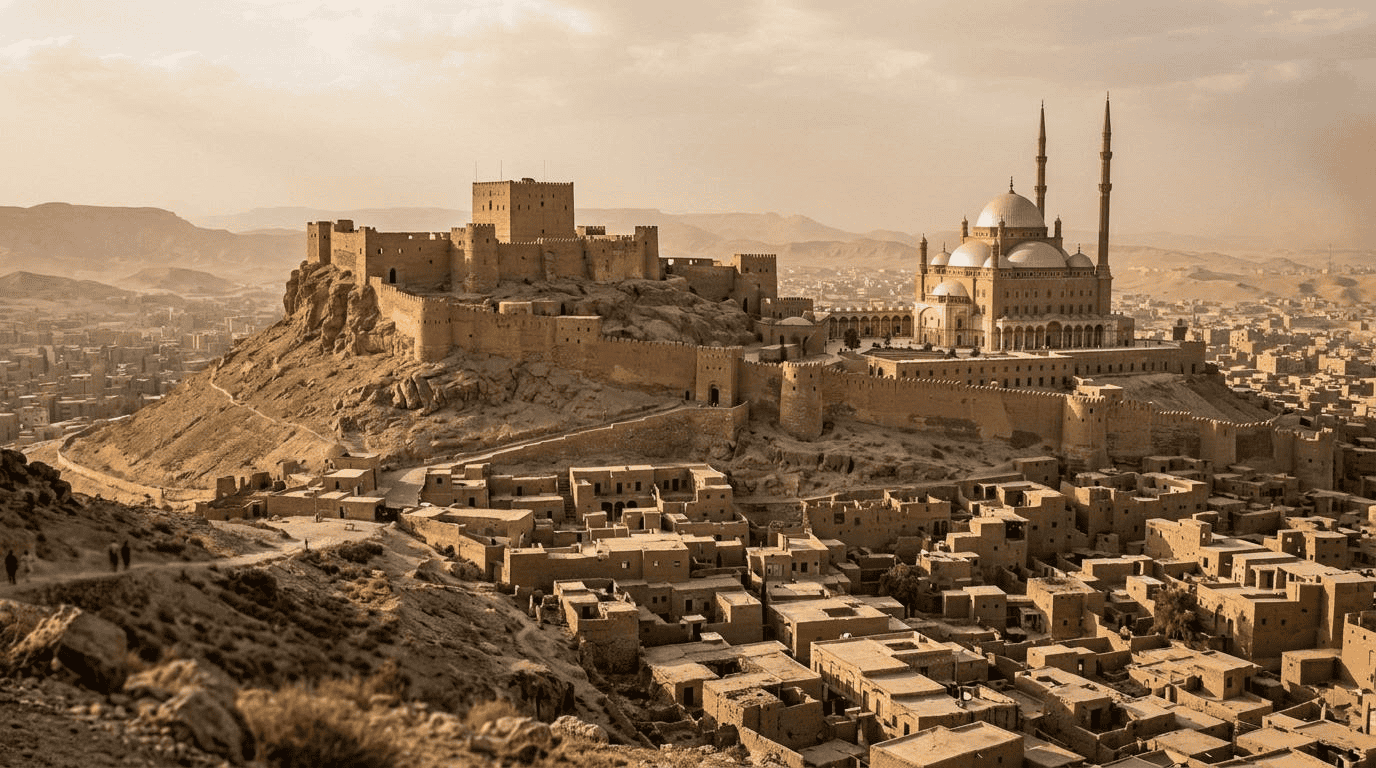
Day 2, the medieval core. Take one ride east, then walk. Begin at the Citadel of Saladin, move to the mosques and lanes of Islamic Cairo, and end in the Khan el-Khalili bazaar. Carry small change for tea and snacks, and expect a lot of friendly conversation that turns into sales pitches. A polite no works.
Day 3, the center and the river. Visit the Egyptian Museum near Tahrir Square in the morning, check the news for gatherings first, then cross to Coptic Cairo in the afternoon. Close with a felucca ride near sunset, with the fare settled before you board.
Pack for modest, breathable layers and sturdy walking shoes, because mosques and old quarters favor covered shoulders and knees. Our travel packing list essentials guide covers documents, clothing and carry-on basics that apply well beyond Egypt.
So, is it safe to visit Cairo? A verdict built on sources, not headlines
The most defensible answer is a conditional one. Official US and UK advice places Egypt at a level of increased caution, names the areas to avoid, and leaves Cairo out of those lists. Everyday risk centers on touts, harassment and local laws, all manageable with the habits above. Regional tensions are the genuine variable, which is why checking the advisories close to departure matters more than any packing list. If your plans are flexible and your insurance matches your itinerary, is it safe to visit Cairo? The sources say a careful visit is reasonable, and the decision stays yours.
Frequently asked questions
Is it safe to visit Cairo at night?
The UK government singles out taxis at night for people travelling alone. Share your driver and trip details and your live location with someone you trust. Stay in busy, well-lit areas and arrange late transport in advance.
Is Cairo safe for solo female travelers?
UK advice says female travellers should take care when travelling alone, especially at night in taxis. It also suggests using reputable providers, not letting hotel staff into your room when you are alone, and not sharing personal contact or social media details.
Do I need a visa to visit Cairo?
Many tourists need a visa, and the rules depend on your passport. UK guidance lists an online e-visa valid up to 3 months, a US$30 cash visa on arrival valid up to 30 days, and a US$36 card-paid digital visa on arrival at Cairo International Airport from 1 August 2026.
Is it safe to visit the pyramids at Giza?
The UK regional advice does not advise against Giza as a whole. Book tours with reputable providers, agree prices in advance, and remember that drones need prior permission from the Egyptian Ministry of Defence.
Can I photograph people and sites in Cairo?
Get an Egyptian citizen's written permission before photographing them. Photographing children is prohibited, and so is photographing military property. Take extra care around embassies, government buildings and religious buildings.
Do I need travel insurance for Egypt?
UK guidance warns that your insurance could be invalidated if you travel against FCDO advice. Buy cover that matches your itinerary and check the policy wording for regional exclusions before you pay.
Who do I call if I am a victim of crime in Cairo?
Call the tourist police on 126. The UK notes that authorities may struggle to prosecute a crime that is not reported before you leave Egypt, so report it during your trip.
References
- Egypt Travel Advisory, US Department of State, issued 15 July 2025
- Entry requirements, Egypt travel advice, UK Foreign, Commonwealth and Development Office, updated 27 October 2026
- Safety and security, Egypt travel advice, UK Foreign, Commonwealth and Development Office, updated 27 October 2026
- Memphis and its Necropolis, the Pyramid Fields from Giza to Dahshur, UNESCO World Heritage Centre