

Here’s something most travel content won’t say out loud: a lot of “budget Europe” articles are quietly written around affiliate commissions. The hostel recommendation links to a booking platform. The flight tip points you to a comparison site with a referral code. None of that makes the advice wrong — but it does mean certain angles get left out. This is the version that fills in the gaps.
If you want to know how to travel Europe cheap — genuinely cheap, not just “cheaper than a five-star resort” cheap — you need real numbers, honest trade-offs, and a few things the glossier guides quietly skip. Let’s get into it.

What It Actually Costs to Travel Europe on a Budget
Before anything else, you need a number in your head. Not a vague “it depends” — an actual daily figure.
Daily budget by travel style
Here’s a realistic breakdown for 2026, not 2019:
| Travel style | Daily budget (per person) | What you get |
|---|---|---|
| Hardcore backpacker | €30–45/day | Dorm beds, supermarket food, free activities |
| Comfortable budget | €55–75/day | Private hostel rooms or cheap hotels, occasional restaurants |
| Flashpacker | €80–110/day | Boutique hostels, sit-down meals, some paid attractions |
These are averages across all of Europe. In Portugal or Romania, the lower end is easy. In Switzerland or Norway, even the top end will feel tight.
The €30/day figure is achievable. It’s not comfortable, and it requires effort — cooking your own meals, sharing dorms with six strangers, walking instead of taking the metro. But it’s real.
The hidden costs most guides ignore
Budget guides love to quote accommodation and flights. They tend to undercount:
- City taxes — Most European cities now charge a nightly tourist tax, usually €1–5/night. Small per night, meaningful over a month.
- Attraction entry fees — Louvre: €22. Colosseum: €18. Sagrada Família: €26+. If you’re doing the “big hits” in Western Europe, budget separately for this.
- Luggage fees on budget airlines — Surprise bag fees can add €50–€80 to what looked like a €25 flight.
- SIM cards and data — Budget €10–€20 for a European SIM. Roaming charges from home networks are often brutal.
- Travel insurance — Non-negotiable. Budget €4–€8/day. Don’t skip it.
Get clear on the real number before you book anything.
The Cheapest Countries in Europe to Visit Right Now
One of the most effective ways to travel Europe on a budget is simply to choose where you go wisely. Not all of Europe costs the same. Not even close.
Eastern Europe — the budget traveller’s sweet spot
If you haven’t looked at Eastern Europe seriously, look again. This is where cheap European travel tips actually move the needle:
Poland remains one of the best-value destinations on the continent. Kraków and Wrocław offer world-class old towns, excellent food scenes, and accommodation at roughly half the price of Prague. A full sit-down dinner with a beer? Often under €10.
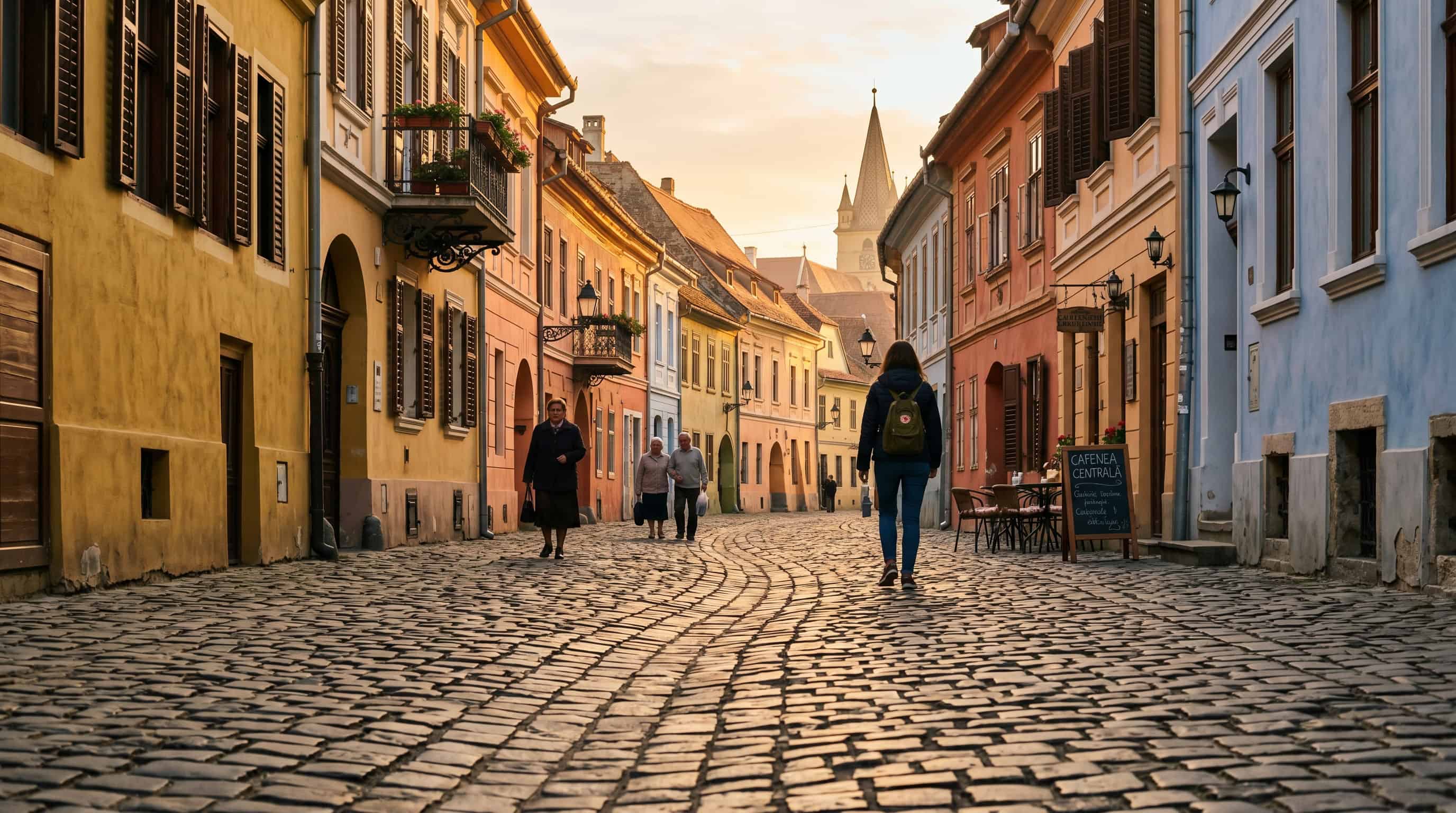
Romania — particularly Cluj-Napoca, Sibiu, and Bucharest — is even cheaper. Transport between cities is inexpensive, and the countryside (Transylvania, the Danube Delta) is genuinely stunning without the crowds.
Albania has become the open secret of budget backpacking Europe. The Albanian Riviera has beaches that rival anything in Greece, at a fraction of the cost. Local food is cheap and generous. The infrastructure is improving fast, but prices haven’t caught up yet.
Serbia and North Macedonia round out the list. Skopje and Belgrade are legitimate cultural capitals with hostel beds under €12 and local beers under €2.
Cheap Western Europe (yes, it exists)
People write off Western Europe as expensive and move on. That’s too blunt.
Portugal — especially outside Lisbon and Porto — is still very affordable. The Alentejo region, the Silver Coast, and the interior cities like Évora offer real value. Lisbon itself has gotten pricier, but it’s still manageable if you stay slightly off-centre.
Greece outside the islands is excellent value. Athens is cheaper than most Western European capitals. The mainland — Thessaloniki, the Peloponnese, Epirus — barely features on most itineraries, which keeps prices low.
Spain’s smaller cities — Salamanca, Murcia, Almería — operate in a completely different price bracket to Barcelona or Madrid.

How to Find Cheap Flights to Europe
The booking window that actually works
There’s no single magic rule, but the research consistently points to a booking window of 6–10 weeks before departure for transatlantic flights, and 3–6 weeks for intra-European routes. Book too early (6+ months out) and you’re often paying premium prices. Book too late and flexibility disappears.
Be flexible on the day of the week. Tuesdays and Wednesdays are consistently cheaper for departures. Weekend flights are almost always more expensive.
Set up fare alerts on Google Flights or Skyscanner for your general destination — “London”, “Lisbon”, “anywhere in Europe” — rather than a specific airport. You’ll catch deals you wouldn’t have thought to search for.
Budget airlines — the trade-offs worth knowing
Ryanair, Wizz Air, and easyJet genuinely do have cheap tickets. But the ticket price is not the final price, and this is where a lot of people get burned.
The standard Ryanair “Priority and 2 Cabin Bags” upgrade costs around €8–€15 per leg. That’s €30–€60 return before you’ve packed anything. Add a checked bag (€25–€40 each way) and your €20 flight is now €100+.
The actual budget move is to pack into the free personal item only — a small backpack that fits under the seat. This is genuinely possible for trips under two weeks if you’re disciplined about it. See our full packing list guide for Europe trips to see exactly what fits.

Sleeping Cheap Without Sleeping Badly
Hostels in 2026 — what’s changed
The hostel world has split. At the bottom, you have grim party hostels where nobody sleeps and everything smells faintly of damp trainers. At the top, you have genuinely excellent social spaces with good beds, lockers, and common areas that make solo travel significantly less lonely.
Dorm beds in Eastern Europe: €8–€18/night. Dorm beds in Western Europe: €18–€35/night. Private rooms in hostels: typically €30–€60/night, often the best value in expensive cities.
What matters more than the star rating is reading the reviews for noise, cleanliness, and location. A hostel 20 minutes from the centre that’s actually quiet and clean beats a central party hostel every time — especially if you’re travelling for longer than a week.
Beyond hostels: house-sitting, slow travel, and longer stays
If you’re spending more than 3–4 days in one place, the maths shifts. Weekly or monthly rates on platforms like Booking.com or direct Airbnb negotiation often bring prices down 20–40%. For two people sharing, a private apartment can end up cheaper than two hostel dorm beds.
House-sitting (via platforms like TrustedHousesitters) is genuinely free accommodation in exchange for pet care. The upfront membership cost pays for itself after one or two sits. It suits people with flexible schedules far more than those trying to do eight cities in ten days.
Slow travel is probably the single most underrated budget hack in Europe on a shoestring. Fewer transport legs, cheaper per-night rates, more time to find the cheap local spots. Moving every two days is exciting but expensive.
How to Travel Between European Countries Cheap
This is where most budget Europe guides quietly lose the plot, because the “right” answer depends entirely on your route and timing. Here’s the actual comparison:
Buses vs trains vs budget flights — the real cost comparison
FlixBus is often the cheapest option for popular intercity routes. A Budapest–Vienna journey can be €10–€20. The trade-off is time — buses take longer, and long overnight buses can be tiring. But if you book early, the savings are real.
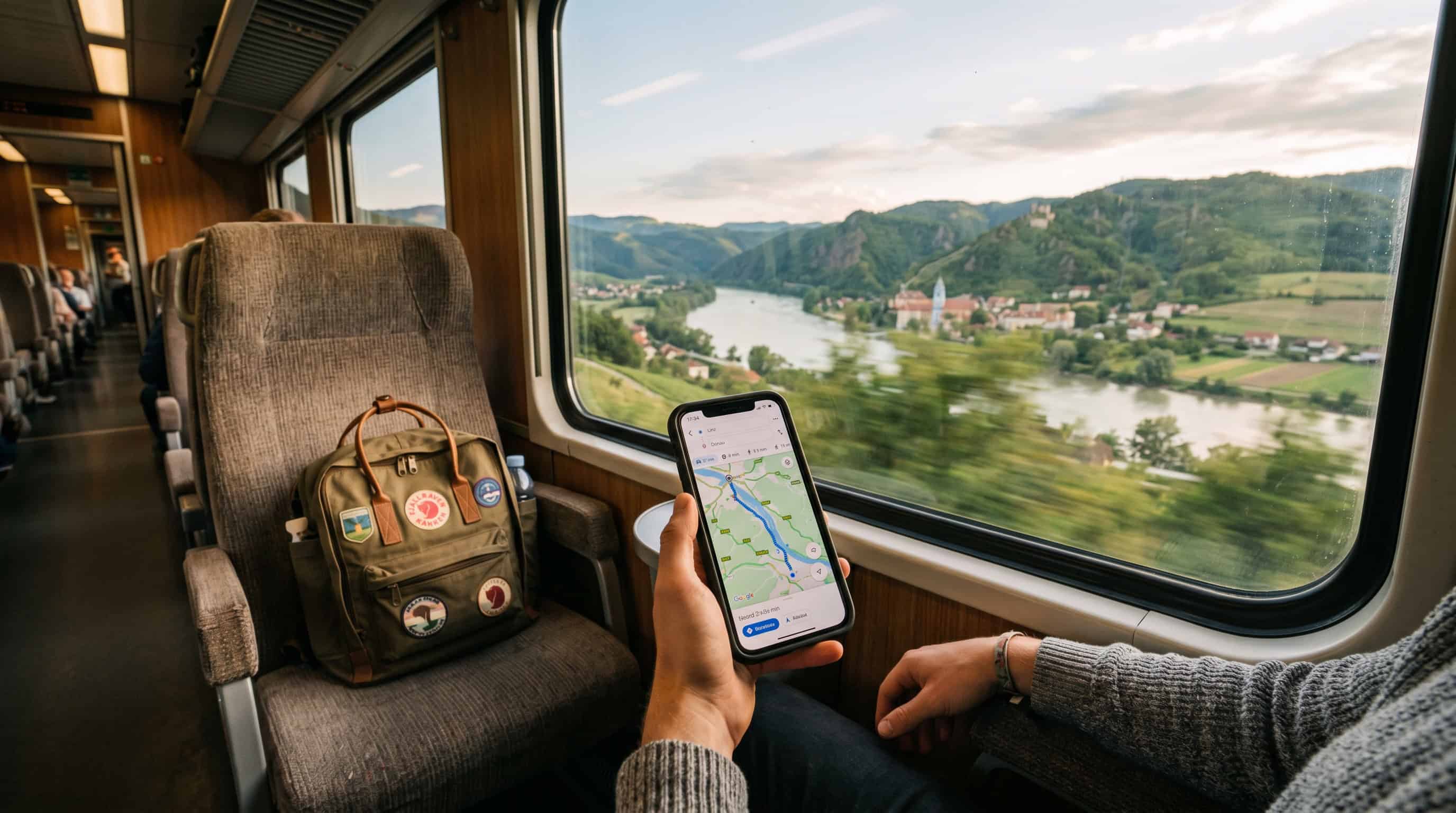
Regional trains in Eastern Europe are cheap and often scenic. A train across Romania or through the Balkans costs very little and often provides a far better experience than a flight.
Budget flights within Europe are genuinely cheap when you strip the luggage fees. A Prague–Lisbon flight with hand luggage only can cost €25–€40 booked 3–5 weeks ahead. The same journey by train takes 28+ hours and isn’t meaningfully cheaper once you factor in overnight accommodation.
For more on planning your transport across the continent, our Europe travel guide for first-timers covers the full route logic in detail.
The Interrail/Eurail pass myth
Interrail and Eurail passes are not automatically a good deal. They work well for specific itineraries — lots of countries, flexible scheduling, comfort over speed. They don’t work well for point-to-point trips on budget routes where individual tickets are cheaper.
Before buying a pass, price out your actual planned journeys individually on Trainline or the national rail sites. The pass pays off maybe 40% of the time. Do the comparison.

Eating Well on a Tight Budget Across Europe
The supermarket trick is obvious, but underused. Most European supermarkets have fresh deli counters, bakeries, and prepared meals. A supermarket lunch in almost any European city — sandwich, fruit, drink — costs €4–€7. The equivalent café purchase is €12–€18.
Lunch is always cheaper than dinner. Most European restaurants offer a menú del día (Spain), plat du jour (France), or lunch special of some variety — a two-course meal with a drink for €8–€14 at places that charge €20+ in the evening for the same food.
Markets are your friend. City markets — La Boqueria in Barcelona aside, which is now a tourist trap — are where locals actually eat cheaply. Grab prepared food from the stalls. In Portugal, a market bifana (pork sandwich) costs €2.50. Same meal in a tourist-area café: €8.
Cook your own breakfast. Most hostels have kitchens. Eggs, bread, and fruit from a supermarket costs under €3. This one habit alone saves €5–€10 a day over café breakfasts.
The One Budget Mindset Shift That Changes Everything
Here’s the thing that separates people who actually manage to travel Europe cheap from people who come home having spent twice what they planned: flexibility beats planning.
Rigid itineraries are expensive. When you’ve pre-booked eight hotels across eight cities over fourteen days, you have no room to find out that Prague is cheaper to leave from than you thought, or that the hostel in Budapest is so good you want to stay three more nights.
The travellers who spend the least aren’t the ones with the most spreadsheets. They’re the ones who’ve given themselves permission to change plans when a better deal appears. Book your arrival night and your flight home. Leave the middle loose.
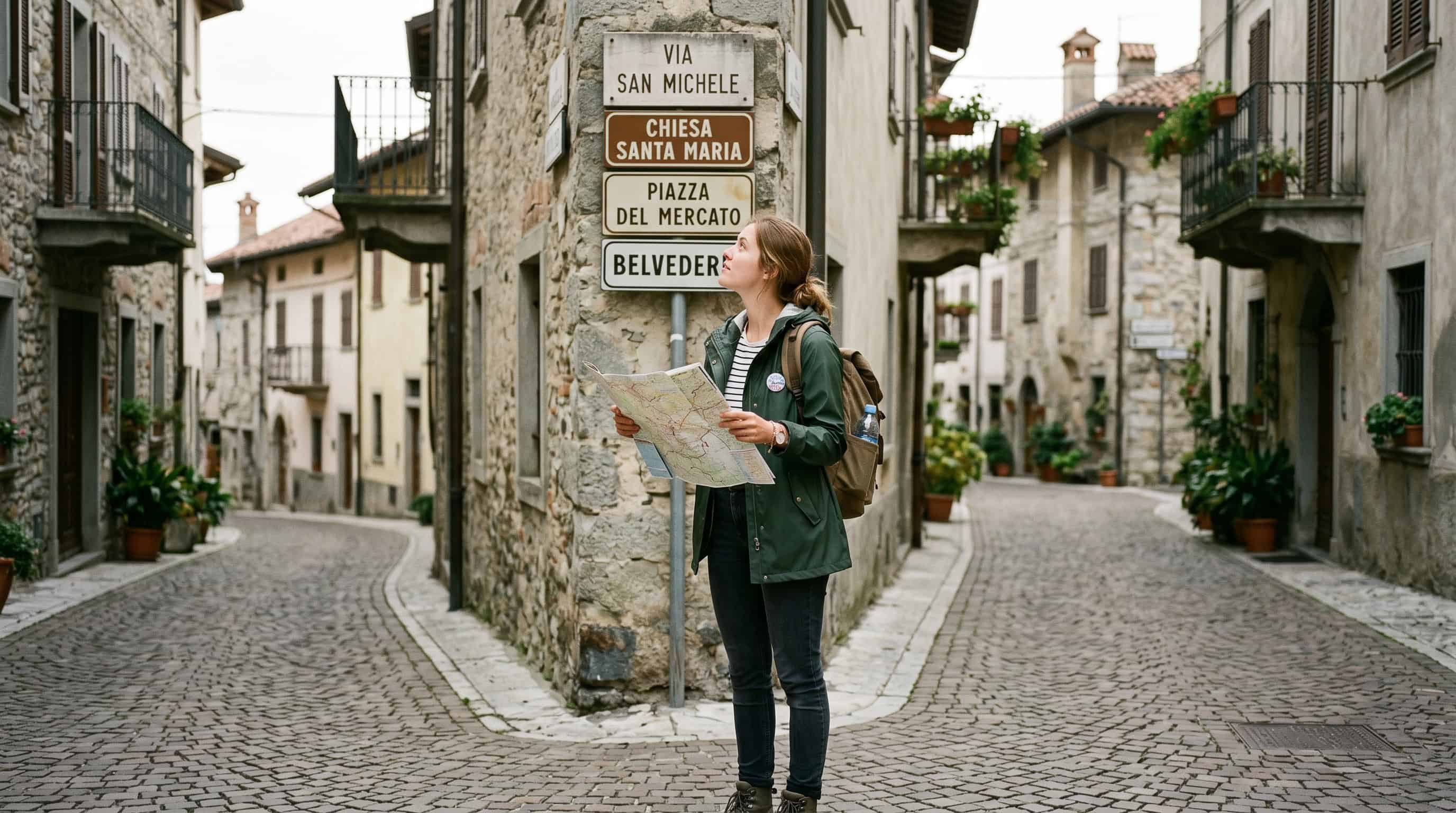
This applies to activities too. Europe is full of free things that are genuinely better than the paid alternatives. A walk through Lisbon’s Alfama neighbourhood costs nothing and beats any guided tour. The best view of Prague is from Vítkov Hill, not from a paid observation deck. The Cinque Terre coastal path is free to walk (trail card aside). Free walking tours in most major cities are run by passionate local guides who work for tips — usually excellent.
For a deeper look at making the most of any European city without spending a fortune, our packing and travel essentials guide is a good place to start before you leave home.
FAQ — How to Travel Europe Cheap
How much money do I need to travel Europe on a budget?
A realistic minimum is €40–€50 per day once you’re on the ground, excluding flights. This covers dorm accommodation, mostly self-catered food with occasional restaurant meals, and public transport. In Eastern Europe, €30–€35/day is achievable. In Western Europe, budget at least €50–€60/day.
What is the cheapest month to visit Europe?
November through February (excluding Christmas and New Year) is consistently the cheapest period. Shoulder season — March to mid-June and September to October — offers good value with far better weather. July and August are peak season with peak prices everywhere.
Is it cheaper to travel Europe by train or by plane?
It depends on the route and how much luggage you’re carrying. Budget flights with hand luggage only often beat train prices on long-distance routes. Trains win for short-to-medium distances and for anyone wanting flexibility or a more scenic journey. Always compare specific ticket prices before deciding.
What are the cheapest countries to visit in Europe?
Albania, North Macedonia, Serbia, Kosovo, and Romania consistently rank as the most affordable. Among EU countries, Bulgaria, Hungary, and Poland offer the best value. Portugal and Greece are the cheapest options in Western Europe.
Do I need travel insurance for Europe?
Yes. If you’re an EU/EEA citizen, your EHIC card covers emergency medical care within the EU — but it doesn’t cover repatriation, trip cancellation, theft, or lost luggage. For non-EU travellers, full travel insurance is non-negotiable. Budget €4–€8/day for a solid policy.
Can I travel Europe for free?
Not truly free, but close. House-sitting, Couchsurfing, and Workaway placements can eliminate accommodation costs. Hitchhiking is widely practiced in Eastern Europe. With all these combined, some travellers get ground costs down to €10–€15/day — but it requires significant flexibility and effort.
How do I avoid baggage fees on budget airlines?
Pack everything into a small backpack (typically 40x20x25cm for Ryanair’s free personal item, 45x36x20cm for Wizz Air). Use packing cubes, wear your heaviest items on travel days, and choose clothes that work in multiple combinations. It’s entirely possible for a two-week trip with careful packing.
If you’ve read this far, you now know more about how to travel Europe cheap than the vast majority of people who google that phrase. The destination is genuinely affordable — it just requires a few honest trade-offs, some flexibility, and the willingness to occasionally eat supermarket cheese instead of restaurant pasta. Worth it, every time.