
Thousands of remote workers search every month for a germany digital nomad visa or a germany remote work visa, and most land on old forum threads that blur three different permits together. The short answer is that Germany has no visa built for digital nomads. What it does have is a freelance residence permit, a job-seeker card and visa-free short stays for many passports. This guide sets out which route fits which kind of remote worker, what each one asks for, and what to confirm with the authorities before you book a flight.
Check before you travel: Entry and residence rules change. Confirm every requirement with the German mission in your country or the immigration office (Ausländerbehörde) for the city where you plan to live before you book. Requirements below were checked on 27 November 2026.
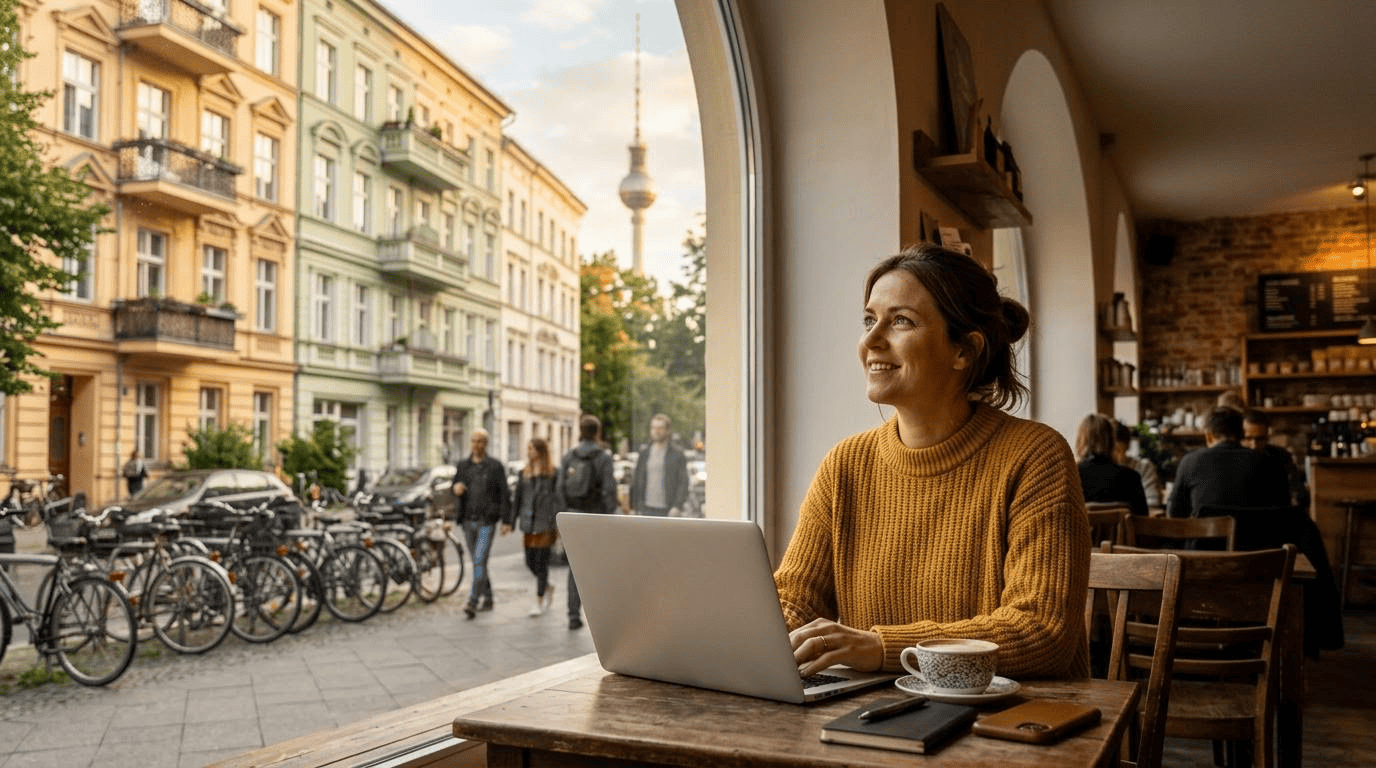
The Germany digital nomad visa does not exist, but three routes fill the gap
People who type digital nomad visa germany into a search bar usually picture the model Costa Rica or Portugal use. That kind of permit lets a foreign employee or freelancer live in a country while earning from abroad, usually against a set monthly income threshold. Germany has no permit with that name or that logic. If you have read our guide on who qualifies for the Costa Rica digital nomad visa, forget the income-threshold model here. German permits look at what you do and who pays you, not just how much you earn.
Three routes cover most remote workers:
- Visa-free short stay. For scouting cities, meeting clients and testing a coworking routine. It is not a way to live in Germany.
- Freelance residence permit (Freiberufler). For self-employed people in liberal professions such as design, writing, translation, teaching, software consulting and similar work. This is the route most remote freelancers take.
- Opportunity Card (Chancenkarte). For qualified job seekers who want to move first and find a German employer while they look. Limited side work is allowed.
A fourth group, salaried employees of a foreign company who want to keep that job while living in Germany, is the hardest fit. None of the three routes was written for them. If that describes you, raise it with the German mission before you plan the move rather than assume a freelance permit covers employment.
| Route | Best for | Length | Key condition |
|---|---|---|---|
| Freelance residence permit, Section 21(5) Residence Act | Freelancers with clients | Up to 3 years at first, extendable | Funding for the work and your living costs, pension proof if over 45 |
| Opportunity Card | Qualified job seekers | Up to 1 year | Recognised qualification or 6 points, plus funds of at least 1,091 euros a month |
| Visa-free short stay | Scouting trips | Short stays only | Not a basis for living or working long term |
Source: Make it in Germany (Federal Government portal), self-employment and Opportunity Card pages, checked 27 November 2026
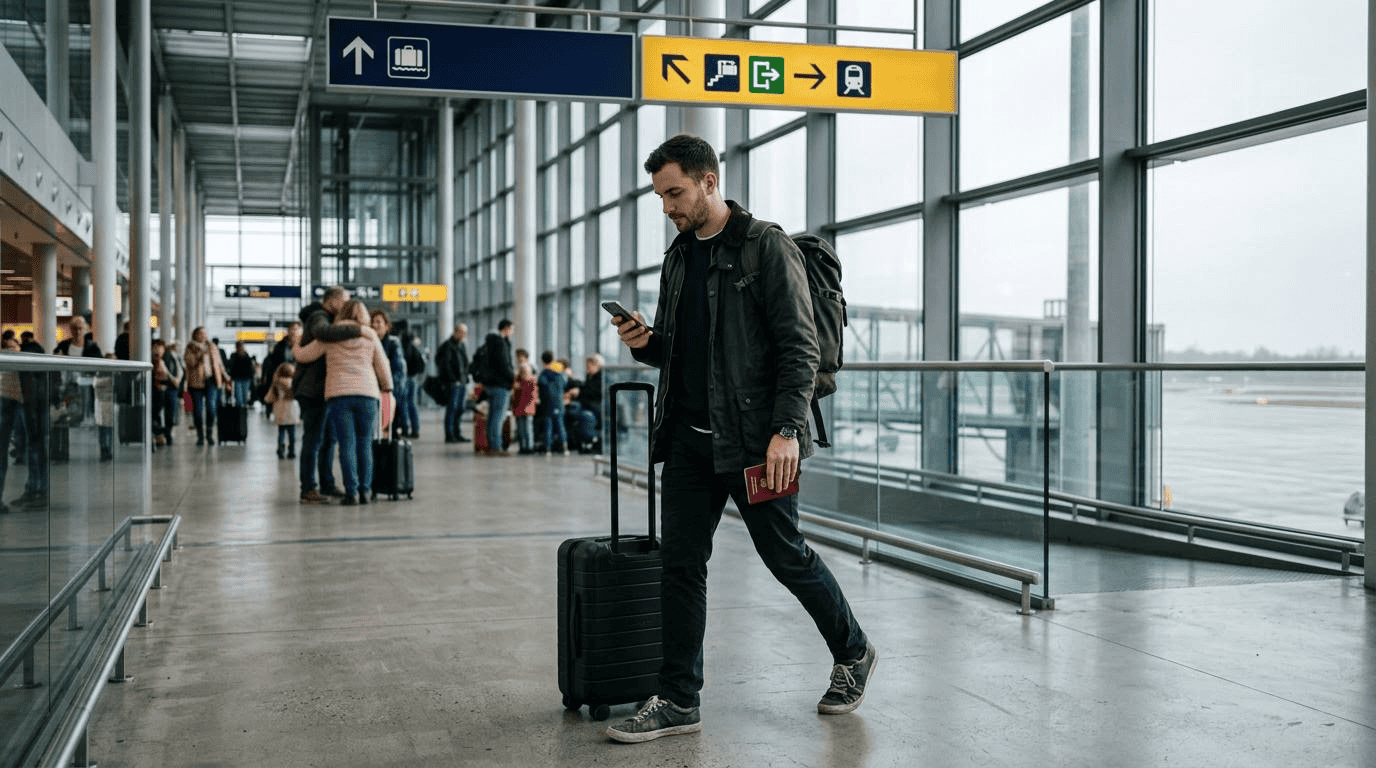
A visa-free stay works for scouting Germany, not for living there
US, Canadian, UK, Australian and many other passport holders can enter Germany without a visa for short stays under the Schengen rules, which cap visits at 90 days in any 180-day period across the whole Schengen area. Days in France, Spain or the Netherlands count against the same total, so a summer of hopping around Europe can leave little room for Germany.
A short stay is useful for three things. You can view apartments in person, which matters in Berlin and Munich where landlords often want to meet tenants. You can visit the immigration office area and coworking spaces you would use. And you can meet clients face to face, which helps if you later need letters from them.
What a short stay does not do is give you a basis to apply for a residence permit if your nationality requires a visa first. Berlin's immigration service states plainly that a short-stay Schengen visa (type C) is not enough to apply for the freelance permit. If you plan a scouting trip on a budget, our breakdown of how to travel Europe cheap covers rail passes and bed costs that apply to German cities too.
What a useful scouting trip covers
- Two or three neighborhoods you could afford, visited on a weekday and a weekend
- A trial week at a coworking space, so you know your real working costs
- Quotes from German health insurers, so the monthly figure is not a surprise later
- Conversations with existing or prospective clients who could sign a letter of intent
- A count of your Schengen days used so far this year
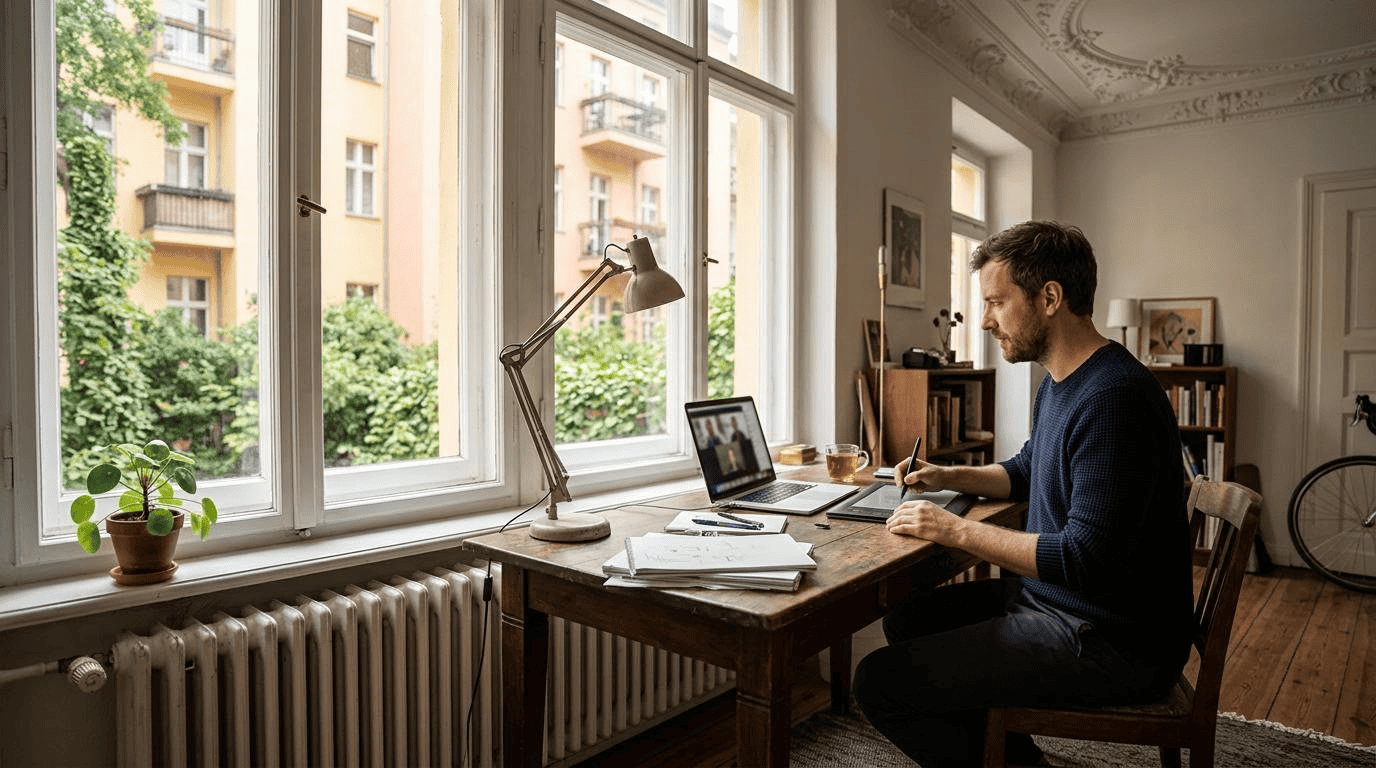
The freelance residence permit is the closest match for remote workers
The German freelance permit is the nearest thing to a germany digital nomad visa for people who invoice their own clients. According to the federal Make it in Germany guide to self-employment, freelancers in liberal professions apply under Section 21(5) of the Residence Act, while people founding a commercial business apply under Section 21(1), which adds tests such as economic interest or regional demand. Forums often call both of these the germany self employment visa, but officers treat them as separate routes with separate tests.
For freelancers, the same federal page lists four core conditions:
- Enough money to fund the work you plan to do
- Any licence your profession needs, for example for medicine or law
- Enough income or assets to cover your living costs
- Adequate pension provision if you are older than 45
The permit is granted for up to three years at first and can be extended if the work succeeds and you can support yourself and your family. The page states that holders in a liberal profession may become eligible for a settlement permit after five years.
Which jobs count as freelance work
Germany ties the permit to the tax definition of freelance work (Section 18 of the Income Tax Act). Berlin's service page gives examples: artists, writers, language teachers, and self-employed doctors, engineers, accountants, interpreters and architects. Designers, journalists, translators and many IT consultants usually fall into this group too. Someone who resells goods, runs an agency with staff or operates a shop is generally treated as a business owner instead and goes down the Section 21(1) route.
Here is a concrete case. A US UX designer with two long-term agency clients in New York wants to base herself in Berlin. She is not an employee of either agency, she invoices both monthly, and she wants to add European clients over time. That profile matches the freelance route closely. If she were instead a salaried employee of one agency, the freelance permit would not describe her situation, and she would need advice on an employment-based title.
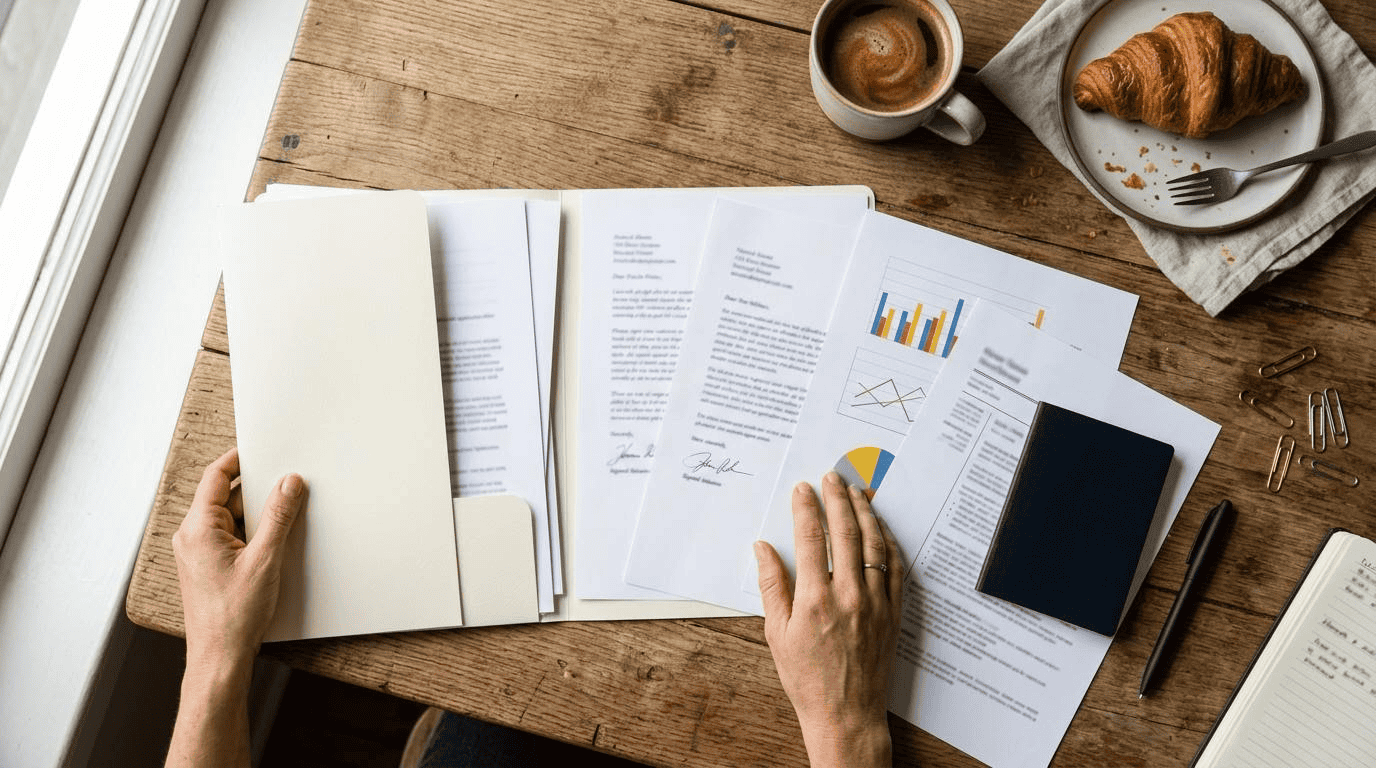
Client letters, a revenue forecast and German health cover carry the application
The federal page sets the rules, but the city immigration office decides the case, and each city publishes its own checklist. The Berlin residence permit page for freelance work is one of the most detailed and gives a good picture of what officers want to see.
Germany freelance visa requirements in Berlin
- Online application (Berlin accepts this permit only online)
- Passport copies, plus your entry stamp or visa if you apply for the first time after arriving
- A CV showing your qualifications and experience
- References or funding commitments
- A revenue forecast, on a form the city provides
- Fee agreements or, as an alternative, at least two letters of intent from clients
- Proof of health insurance
- A lease or proof of home ownership, and proof of how you will cover living costs
The letters of intent carry the most weight in practice because they show real demand for your work. A useful letter names the client, describes the work, gives an expected volume or fee, and is signed. Two vague emails from friends do little. Two signed letters from paying clients do a lot.
Health insurance is where many applications stall
The non-obvious point for most remote workers is insurance. Berlin requires German statutory health insurance or comparable private cover, and states that foreign insurance is not sufficient. The travel medical policy many nomads carry while moving between countries will not pass. Price a German policy before you apply, because it changes your monthly budget more than most people expect.
The age-45 pension rule
Applicants who have reached 45 must also prove pension provision. Berlin's page sets the figures from 1 July 2025 as either a projected monthly pension of 1,612.53 euros (for at least 12 years) or assets of 232,204 euros, both measured at age 67. Citizens of a few countries, including Japan, are exempt. If you are close to 45, applying earlier avoids this test for the first permit.
Your passport decides whether you apply in Germany or at a consulate
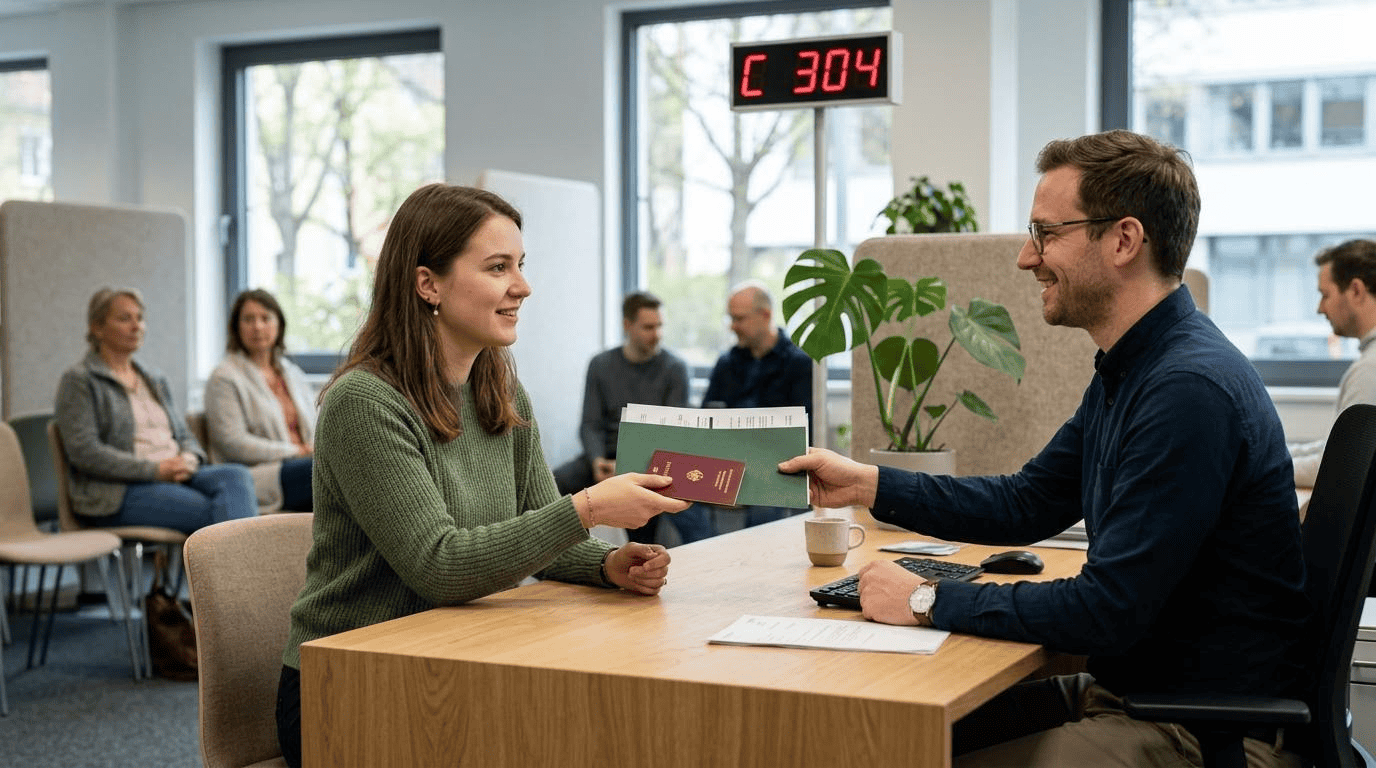
Where you file depends on your passport, and this step catches many people out. The general rule is that non-EU nationals who want to work in Germany apply for a residence title at a German embassy or consulate before they travel.
There is an exception that matters for a lot of remote workers. The Federal Foreign Office visa FAQ lists nationals of Australia, Canada, Great Britain, Israel, Japan, New Zealand, South Korea and the United States as able to apply for the needed permit after arrival in Germany. A US freelancer can therefore enter visa-free, register an address and file the freelance application with the local immigration office. A freelancer from a country outside that list usually needs a national visa (type D) from a German mission first, then converts it into a residence permit in Germany.
Check before you travel: Applying after arrival is not the same as working on arrival. Do not start freelance work for German clients until the immigration office confirms you are allowed to. Ask the office directly if you are unsure.
Your city decides which office handles the case
Immigration offices work by place of residence, so the city you choose decides whose checklist you follow. Berlin, for example, requires your main residence to be in Berlin and says a second home there does not count. Pick the city first, then download that office's own document list. Munich, Hamburg, Frankfurt and Cologne each run their own offices with their own forms and appointment systems, even though the federal law behind the permit is the same.
Appointment waits at big-city immigration offices can be long, so file as soon as your documents are ready, and keep your short-stay day count in view while you wait. Check with the office what status you hold while a timely application is pending.

The Opportunity Card suits job seekers, not full-time freelancers
The Opportunity Card gets mentioned in many nomad discussions, but it was built for people who want a German job, not for people who want to keep working for foreign clients. The official Opportunity Card page describes two ways in: a qualification recognised in Germany, or a points system that needs at least 6 points plus German at A1 or English at B2.
Points come from partial recognition of your qualification, a shortage occupation, work experience, German or English level, age (2 points up to 35, 1 point from 35 to 40), a previous legal stay in Germany and a qualifying partner.
While you search, the card allows part-time secondary employment of up to 20 hours a week and job trials of up to two weeks per employer. It lasts up to one year. You need a blocked account of at least 1,091 euros a month (the 2026 amount) or a formal declaration of commitment from a sponsor.
That 20-hour cap is the reason the card does not replace a freelance permit. It suits a software developer who plans to join a German company within the year and wants some income while interviewing. It does not suit someone who wants to run a full-time freelance business for overseas clients.
Fees, waiting times and your first month after approval
Prices checked on 27 November 2026 against current official fee schedules. Berlin lists these fees for a first freelance permit:
| Item | Fee (EUR) | Approx. USD |
|---|---|---|
| First permit, electronic card (eAT) | 100.00 | about $115 |
| First permit, sticker label | 56.00 | about $65 |
| Digital photo at the on-site terminal | 6.00 | about $7 |
Source: Berlin Business Immigration Service, residence permit for freelance work. USD figures are rounded estimates and move with the exchange rate.
Berlin says a sticker label can be issued at the appointment, while the electronic card takes four to six weeks before you can collect it. Payment is online by card or PayPal.
The bigger costs sit outside the fee table. German health insurance is a monthly bill for the whole permit period. A deposit on a furnished apartment can run to several months of rent. A first year in a big city also usually means paying for coworking or a home office setup. Budget for these before you budget for the permit fee.
The first month after approval
- Register your address with the local citizens' office. Berlin already asks for a lease with the permit application, so keep a copy handy.
- Register your freelance work with the local tax office (Finanzamt) to get a tax number for invoicing.
- Confirm your health insurance start date matches your permit dates.
- Note the permit end date and the documents you will need for an extension, such as invoices and tax returns.
If Germany ends up too expensive or too slow for your plans, our ranking of the best digital nomad cities for 2026 compares places with dedicated nomad visas and lower living costs.
The practical takeaway: stop waiting for a germany digital nomad visa to appear and match your work to the permit that already exists. Freelancers with paying clients should build the freelance application around signed letters and German health cover. Job seekers should weigh the Opportunity Card. Salaried employees of foreign firms should get a clear answer from the German mission before they sign a lease.

Germany digital nomad visa FAQ
Does Germany have a digital nomad visa?
No. Germany has no visa labelled for digital nomads. Remote workers usually apply for the freelance residence permit under Section 21(5) of the Residence Act, use a visa-free short stay, or qualify for the Opportunity Card as job seekers.
Can I work remotely for a US company while living in Germany?
Living in Germany needs a residence title, and remote work does not create one. Most remote workers with their own clients use the freelance permit. Employees of a foreign company should ask the German mission or local immigration office which title fits before they move.
How many client letters do I need for a German freelance permit?
Berlin accepts fee agreements or at least two letters of intent from clients. Other cities set their own lists, so check the immigration office for the city where you will register.
Can US citizens apply for a German residence permit after arriving?
Yes. The Federal Foreign Office lists the United States among the countries whose nationals may apply for the needed permit after arrival in Germany. Most other nationals apply for a national visa at a German mission first.
How much does a German freelance residence permit cost?
Berlin charges 100 euros for a first electronic residence permit and 56 euros for a sticker label. Fees were checked on 27 November 2026 and vary by permit type.
Is the Opportunity Card a digital nomad visa?
No. The Opportunity Card is for job seekers. It allows part-time work of up to 20 hours a week and trial work while you look for qualified employment, and it lasts up to one year.
References
- Make it in Germany: Residence permit for self-employment and freelancers
- Federal Foreign Office: Visa FAQ, applying for a residence permit after arrival
- Berlin Business Immigration Service: Residence permit for freelance work
- Make it in Germany: Opportunity Card for job seekers